
REVIEW · BELGRADE
Red Belgrade Communist Tour
Belgrade has a darker color. This Red Belgrade Communist Tour strings together WWII-era politics through 2000s memories, using sights that still look half grand, half strange. I really like the way you get a clear timeline plus real place names, and I also love the built-in finish at the Museum of Yugoslavia and Tito’s memorial. One thing to consider: it’s a lot of walking on uneven, hilly streets, and the museum time can feel like the main event.
What makes it worth your time is that the story is not stuck in slogans. You get public squares tied to speeches and power, a stop for everyday socialist rituals like the pioneer oath, then a one-way trolley ride that connects the city center to the elite Dedinje neighborhood. If you expect only strict communism content, you might find the narrative expands beyond that label.
In This Review
- Key highlights to look for
- Trg Republike: Where Tito’s era sounds start to make sense
- Terazije Square: Work culture, Hotel Moskva, and the cult of effort
- Pionirski Park: Pioneer rituals, a surprising “liberal” angle, and the darker parts
- The trolley ride to Dedinje: Old transport, elite villas, and the Museum of Yugoslavia area
- Museum of Yugoslavia: Apollo 11 gifts, Tito’s story in objects, and House of Flowers
- Guides, pacing, and group size that actually matter
- Price and what you get for it
- Who this tour is best for
- When the Red Belgrade name might set wrong expectations
- What to bring and how to prepare
- Should you book the Red Belgrade Communist Tour?
- FAQ
- How long is the Red Belgrade Communist Tour?
- Where does the tour start and when?
- What are the main stops on the tour?
- Is the tour available in English?
- What is included in the price?
- How many people are on the tour?
- What happens if the tour has only one person booked for the shared tour?
- Can I cancel for a full refund?
Key highlights to look for
- A guided timeline from WWII to the 2000s with political twists, myths, and personal-life details
- Republic Square to Terazije connects Tito-era messaging to postwar society and work culture
- Pionirski Park and the pioneer oath shows how youth were shaped under socialism
- A one-way trolley ride to Dedinje adds an authentic transit feel to the day
- Museum of Yugoslavia plus Tito’s House of Flowers ends with big artifacts and a strong emotional finish
- A small-group vibe up to 25 people keeps the Q and A feeling practical
The Yugoslav decades, told on the street
Trg Republike: Where Tito’s era sounds start to make sense
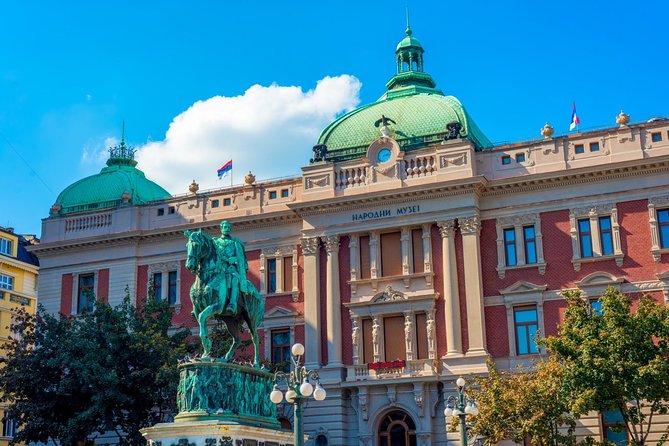
The tour begins at Trg republike (Republic Square), which is a fitting place to start if you want context fast. This is where public power in socialist Yugoslavia really wanted to be seen. The guide sets the mood with the idea that a “once upon a time” feeling still hangs over the city for people who grew up in that era, including the nostalgia linked to Josip Broz Tito.
As you walk, you’ll notice how Belgrade refuses to pick a single style. You see socialist-era grey buildings from the constructivism period next to monuments from the earlier Yugoslav Kingdom, and then hints of more recent decades. That mix is not random. It’s exactly why this tour works, you can feel how new regimes tried to overwrite old stories, without fully erasing them.
One thing I appreciate is that the guide doesn’t treat history like a sealed textbook. You’ll hear about conspiracy theories and urban legends that circulated from the second half of the 20th century, which helps you understand how people processed politics when truth was complicated. If you like your history with human reactions, this opener does a good job.
Terazije Square: Work culture, Hotel Moskva, and the cult of effort
Next you head to Terazije Square, a place that turns the tour from “big ideology” into social life. The stop frames famous holidays and events, and it brings you past one of the best-known backdrops in central Belgrade, Hotel Moskva. The guide connects the hotel setting to the stories and characters that made the era feel glamorous on the surface.
Then you switch gears to the “cult of work” theme. Here, the tour talks about the socialist belief that labor was the ideal for society, and you’ll also hear how that idea played out in celebrity-level storytelling, including a miner who became a star. This is a good stop if you’re trying to understand how governments sell values, because the message shows up in people’s identities, not just laws.
A practical note: this is still central Belgrade. You’ll likely have plenty of options nearby for water or a quick snack before you move on, but the tour itself keeps rolling, so don’t count on a sit-down break.
Pionirski Park: Pioneer rituals, a surprising “liberal” angle, and the darker parts
At Pionirski Park, the tour centers on the ritual of the pioneer oath. That’s the kind of detail that feels small until you realize it trained generations to treat belonging as a daily habit. The guide uses it to explain how the socialist system shaped youth, while also arguing that Yugoslavia could feel “more open” in certain cultural ways compared with other places inside the same ideological umbrella.
Expect stories about how Western influence filtered in through music and lifestyle changes. This is where the tour starts to feel more like a social diary than a political lecture. And as promised in the tour structure, it doesn’t ignore the darker side. You’ll get parts that feel censored in other formats, here they are put on the table as part of the full picture.
A nice bonus during the walk is the sighting of the monument of Ivo Andrić, the Nobel Prize winning Serbian writer and a diplomat tied to Berlin early in World War II. This small moment helps you widen the lens from Tito to broader Serbian history, and it stops the day from turning into only one narrative.
- Northern Serbia: Sremski Karlovci and Novi Sad Full-Day Tour from Belgrade
★ 5.0 · 425 reviews - Day Trip from Belgrade: Gems of Eastern Serbia
★ 5.0 · 424 reviews - Belgrade Nightlife Bar Pub Club Crawl with Drinks
★ 5.0 · 277 reviews
The trolley ride to Dedinje: Old transport, elite villas, and the Museum of Yugoslavia area
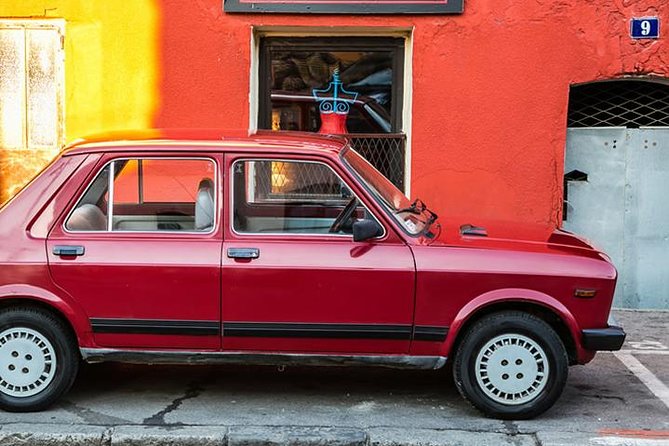
After Pionirski Park, you’ll take a trolley ride one-way to Dedinje. That transit piece matters more than you might think. It gives you a moving “time machine” feeling, because public transport is how normal people experienced the era, not just how leaders staged it.
Dedinje is the elite district, with embassies and residential villas, and the guide uses the setting to set up what happens next. The tour points you toward the Museum of Yugoslavia complex, which is farther from the center, so being taken there is a real convenience.
This is also the part of the day where you’ll feel the physical rhythm. Even with trolley help, you’re still on your feet for the walks between points and around the museum. Wear comfortable shoes, and bring water if you’re the type who gets warm easily.
Museum of Yugoslavia: Apollo 11 gifts, Tito’s story in objects, and House of Flowers
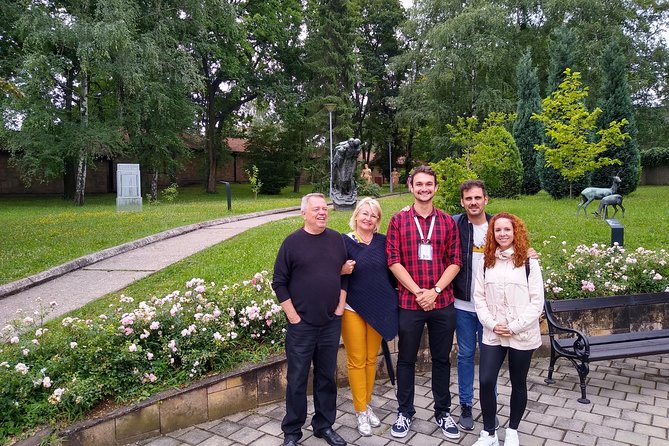
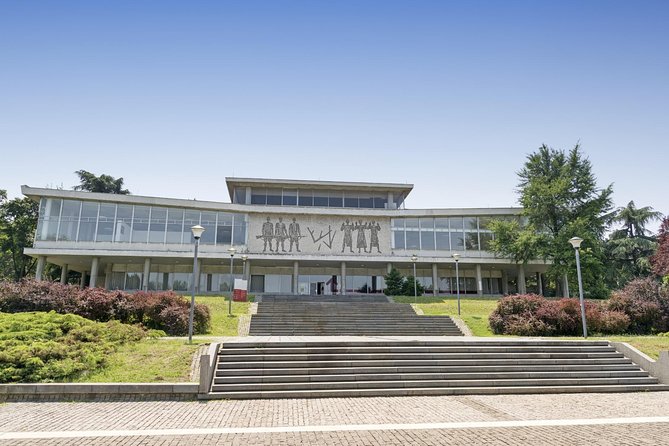
The museum is where the tour earns its name and reputation. The entry fee is included, and you get about 1 hour 30 minutes inside. The focus is Josip Broz Tito, presented through the life and deeds of a leader who was revered and, in many ways, designed into the national image.
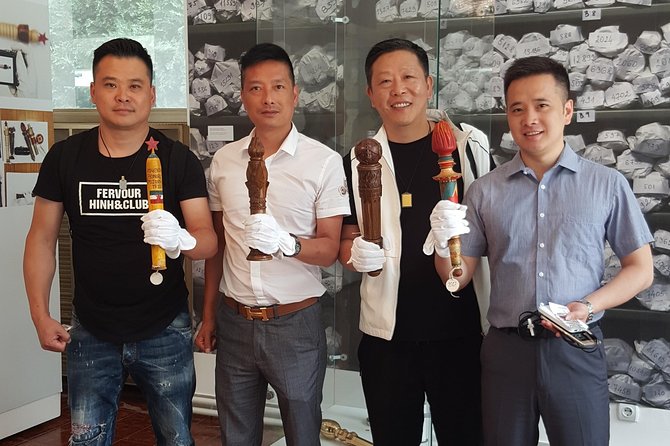
The standout feature is how much the museum uses ceremonial gifts to tell a story. You’ll see a collection of presents given to the Yugoslavian President, including one of the most famous items: a gift from the crew of Apollo 11. For many visitors, that single artifact turns the whole “communist Yugoslavia” label into something more human and complicated. You can start asking better questions, like how a socialist state built prestige and connections across the Cold War.
The tour also ends at Tito’s mausoleum, known as the House of Flowers, where he is buried. That part is emotionally loaded, and the guide’s storytelling helps it land. This is not just “look and move on.” The pacing aims to revive the last days of the former republic without pretending the topic is simple.
From a value perspective, the museum stop is your biggest included-ticket moment. If you want to understand Yugoslavia beyond the city-center signage, this is what you’re paying for.
Guides, pacing, and group size that actually matter
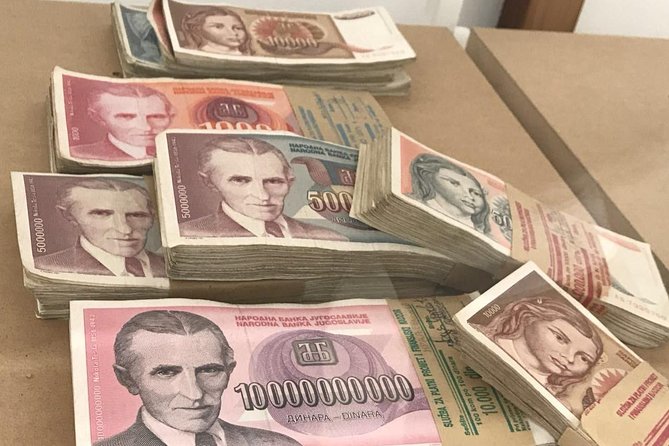
One of the strongest repeated themes is guide quality. You might get different guides, but names you may see associated with the experience include Dragor, Marko, Nebo, Radica, Nina, Hristina, Isadora, Borjan, and Dragana. The common thread is a style that mixes the facts of Tito and Yugoslavia with the “why it felt like that” of daily life.
Pacing is also part of the value. The day is structured into short, readable chunks: Republic Square, Terazije, Pionirski Park, then the museum. That makes it easier to absorb big concepts without losing the thread.
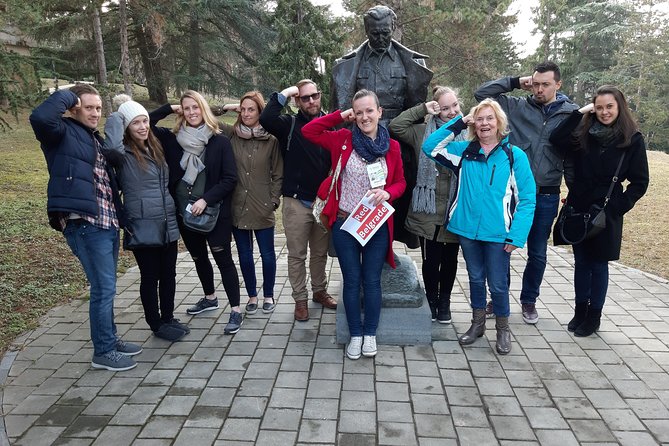
Group size runs up to 25 travelers, and in practice it can feel smaller. I like that the tour clearly supports questions, especially when people bring their own interests, like the breakup period or Serbia’s perspective on later conflicts. It’s a good format if you want real interaction, not just headsets reading off a script.
Price and what you get for it
At $53.10 per person for about 4 hours (approx.), this tour can be a smart buy because several costs are wrapped in. You’re paying for an English-speaking guide, you get trolley tickets, and you get museum entry.
If you were to do this alone, you’d still need transport into Dedinje and you’d still pay for museum admission. The tour also saves you from guessing how long the museum visit should be and how to make sense of what you’re seeing once you’re there.
Also, booking tends to happen about 28 days in advance on average, so earlier planning is smart if you have a tight schedule. The start time is 10:00 am, and the meeting point is Trg republike 9.
Who this tour is best for
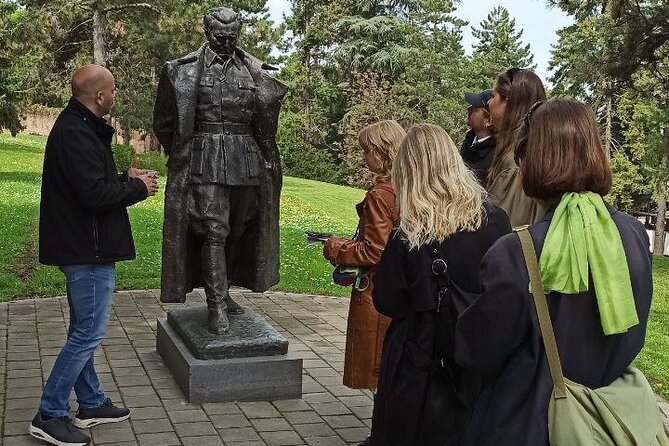
This works best if you want Belgrade through a political lens, but not the bloodless kind. It’s a strong fit for people who like:
- 20th-century European history and the Tito era in particular
- walking tours that connect ideology to real city spaces
- museum time that uses objects, not just dates
If you only want monuments and quick photos, this may feel like more talking than you prefer. On the other hand, if you want to leave with a better mental map of Serbia’s past and how it still shapes the present, this is a solid start.
When the Red Belgrade name might set wrong expectations
The title makes many people expect a laser focus on communism in Serbia. In practice, the tour covers the broader Yugoslav timeline from WWII through later decades. That can be a plus, because it shows how communism fits into a wider national story, including the breakup era and how people talk about the 1990s period.
So if you’re a hardcore “only communism, please” history traveler, I’d treat this as a Yugoslavia story with communist themes, not a narrow political seminar.
There’s also a practical content consideration: the tour is advertised as English, but always double-check the language at booking. A single mismatch in language can really change your experience, especially when the guide is using fine details and nuance.
What to bring and how to prepare
At minimum, bring comfortable walking shoes and a bottle of water. The route includes city-center walking plus a park stop and museum area movement, which adds up.
If you’re sensitive to long days on your feet, consider that the tour includes several timed segments and a museum block. Take your time on the museum portion, too. Tito’s story is presented through objects and settings, and rushing makes it harder to connect the dots.
Should you book the Red Belgrade Communist Tour?
Book it if you want a clear Belgrade orientation with the big story behind the buildings. The Republic Square to Terazije to Pionirski Park sequence gives you a timeline you can remember, and the museum plus House of Flowers turns the day from “interesting” into “I understand why this matters.”
Skip it or choose a different focus if you are seeking only light sightseeing. This tour leans heavily into interpretation and messaging, and the walking is not minimal.
If you’re on the fence, here’s my quick decision rule: if Tito-era Yugoslavia, its rituals, and its public image intrigue you, this tour is a strong value. If you’d rather focus only on older medieval Serbia or newer modern neighborhoods, you might feel the balance is off.
FAQ
How long is the Red Belgrade Communist Tour?
It runs about 4 hours (approx.).
Where does the tour start and when?
The tour starts at Trg republike 9, Beograd 11102, Serbia. The start time is 10:00 am.
What are the main stops on the tour?
You’ll visit Republic Square (Trg Republike), Terazije Square, Pionirski Park, then take a one-way trolley ride to Dedinje for the Museum of Yugoslavia and the House of Flowers.
Is the tour available in English?
Yes, it is offered in English, with an English-speaking guide.
What is included in the price?
The price includes an English-speaking guide, trolley tickets, and entry fee for the Yugoslav History Museum (Museum of Yugoslavia stop).
How many people are on the tour?
The tour has a maximum of 25 travelers.
What happens if the tour has only one person booked for the shared tour?
The minimum number of passengers is 2. If you are the only guest on a shared tour, a supplement of 75% will be applied. At latest 24 hours before the trip, you will be informed and offered a choice between canceling with no fees or paying the supplement.
Can I cancel for a full refund?
Yes. You can cancel up to 24 hours in advance for a full refund. Canceling less than 24 hours before the start time is not refunded.
The Rest of the Serbian Shortlist
Everything We Have Reviewed in Serbia
Tito, Concrete and the Old Republic
Just Reviewed in Serbia
- Private Half Day Serbia Tour Novi Sad and Petrovaradin Fortress★ 5.0 · 3 reviews
- Private Wine Tasting by Party in Belgrade★ 5.0 · 3 reviews
- Belgrade: The White Emigration in Serbia in the Wake of the Russian Revolution★ 5.0 · 3 reviews
- Zica and Studenica monastery From Belgrade★ 5.0 · 3 reviews
- Feel Belgrade Welcome tour★ 4.5 · 3 reviews
Belgrade Communist & Yugoslav History Tours, side by side.
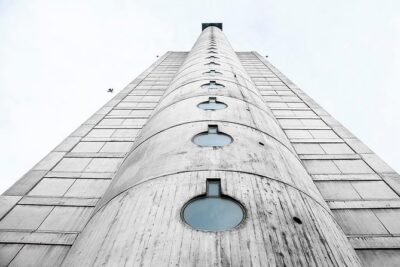 ★ 4.5Architecture of New Belgrade – Brutalism DecodedFrom $8624 reviews
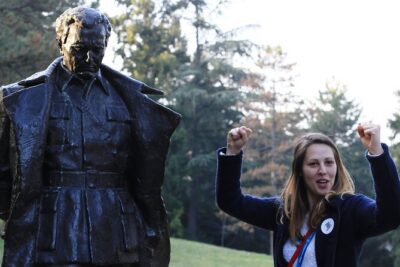 ★ 4.5Communist Tour in BelgradeFrom $2419 reviews
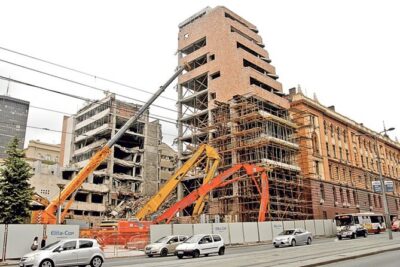 ★ 5.0NATO Bombing of Belgrade Historical TourFrom $6917 reviews
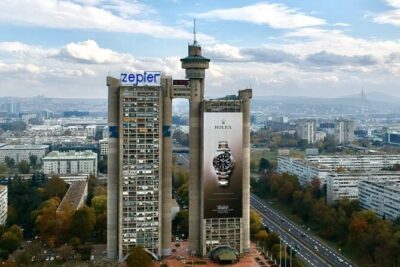 ★ 5.0E-Scooter Communist Yugoslavia TourFrom $4815 reviews
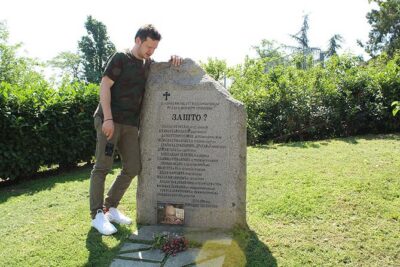 ★ 4.5NATO Bombing of Belgrade Private TourFrom $14511 reviews
 ★ 5.0Tito and History Vintage Car TourFrom $14411 reviews
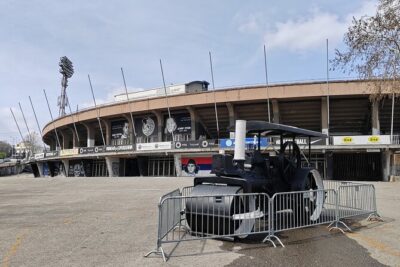 ★ 5.0E-Scooter Belgrade Hooligans TourFrom $487 reviews
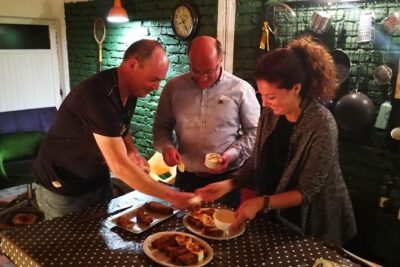 ★ 5.0Eat Like Tito – Gastro Historical ExperienceFrom $1274 reviews
Also on these Serbia lists