
REVIEW · BELGRADE
Communist Tour in Belgrade
Belgrade reads like a history exam, but fun. This Communist Tour in Belgrade uses major landmarks to explain how Tito’s era shaped daily life, what followed in the 1990s, and how Serbia changed in the 2000s. I like that it’s guided with nuance and clear, fact-based explanations, not slogans.
You also get strong value for your time, since key stops are free and the Museum of Yugoslavia ticket is included. One possible drawback: if you want an easy, light sightseeing walk with no politics heavy lifting, this one may feel a bit serious.
In This Review
- Quick hits before you go
- Why this Communist-themed walk makes Belgrade click
- Trg Republike: Tito, Non-Aligned politics, NATO 1999, and change
- Dom Sindikata: Socialist realism, labor power, and Branko Petričić
- House of the National Assembly: a landmark that changed hands
- Kneza Miloša: the korzo promenade and the embassy-heavy street
- Generalštab: post-war military architecture, then the damage of 1999
- Museum of Yugoslavia: Tito’s life, the grave, and the House of Flowers
- Guide quality is the real upgrade, not just the route
- Timing, value, and what you’re actually paying for
- Practical tips to get more from every stop
- Who should book this, and who might skip it
- Should you book the Communist Tour in Belgrade?
- FAQ
- What time does the tour start, and where do I meet?
- Where does the tour end?
- How long is the Communist Tour in Belgrade?
- Is the tour offered in English?
- What’s included in the price?
- Are there admission costs at the earlier stops?
- What is the group size limit?
- What is the cancellation policy?
Quick hits before you go
- English-guided, history-forward storytelling that tackles modern Serbian history with balance and context
- All the big sight stops are quick (roughly 15 to 20 minutes each), so you see a lot in 3 hours
- Socialist realist architecture in the open air, not just behind museum walls
- A trolleybus ride included to connect the downtown sites to the Museum of Yugoslavia
- Museum admission included, plus a focus on Tito, the Yugoslav period, and the House of Flowers
The Yugoslav decades, told on the street
Why this Communist-themed walk makes Belgrade click
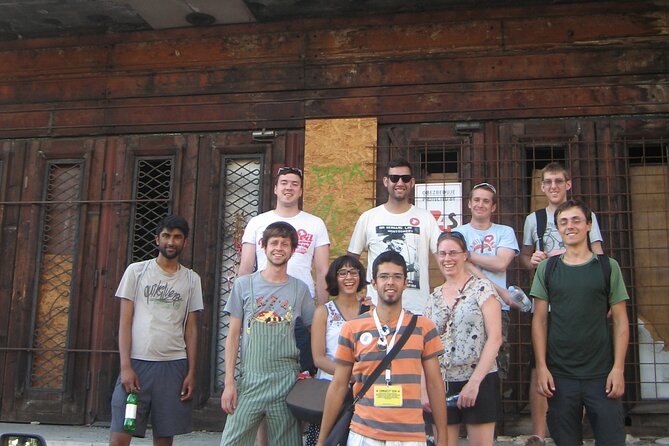
Belgrade has layers. Joining this tour is a fast way to read those layers, instead of wandering around and hoping the story connects itself. The format is simple: you move between central squares, prominent government buildings, and the big museum at the end, while your guide links each place to a timeline.
I especially like the way the tour handles sharp topics. Guides named Stefan, Michael, and Milan show up in past feedback for a reason: strong English, careful wording, and an ability to explain complicated events without turning it into a shouting match. That matters in a city where different generations remember the same decades in very different ways.
Here’s the other reason I think you’ll enjoy it: you get modern politics framed through architecture and public space. Even if you’re not a history nerd, you can see how buildings, street layouts, monuments, and institutions reflect power and ideology.
Trg Republike: Tito, Non-Aligned politics, NATO 1999, and change
The tour starts at Trg Republike, a central square where the guide sets the tone. Expect a timeline that moves quickly, but stays structured: the rise of Josip Broz Tito as a defining figure, the symbolism of youth and mass participation (including the Youth relay baton), and the logic behind the Non-Aligned movement.
Then the story turns toward the 1990s and the breaking point many people associate with that era. You’ll hear about the NATO bombing in 1999, and how that shock ties into the democratic changes that came later in the third millennium. It’s a lot for a single stop, but the short duration works in your favor. You get the big picture first, so the rest of the tour makes more sense as you go.
Practical tip: take a moment here just to look around. Squares like this are designed for crowds and public messaging. When your guide points out what was happening politically, you’ll understand why the space feels like it belongs to history.
Dom Sindikata: Socialist realism, labor power, and Branko Petričić
Next comes Dom Sindikata, the Trade Union Hall. This is the kind of stop you might otherwise walk past without a second thought, but it’s the perfect example of how ideology can be built into stone and scale.
The building is described as socialist realism in style, with an architect named Branko Petričić and construction beginning in 1947. As you stand near it, the guide’s job is to connect form to function. A huge, monumental structure like this isn’t just a workplace. It’s a message about whose voice mattered, and what the state expected from people.
One small drawback to know upfront: this stop is short. If you love architecture and could spend an hour photographing details, you may want to come back later. Still, the payoff is that you’ll know what to look for when you do.
- Northern Serbia: Sremski Karlovci and Novi Sad Full-Day Tour from Belgrade
★ 5.0 · 425 reviews - Day Trip from Belgrade: Gems of Eastern Serbia
★ 5.0 · 424 reviews - Belgrade Nightlife Bar Pub Club Crawl with Drinks
★ 5.0 · 277 reviews
House of the National Assembly: a landmark that changed hands
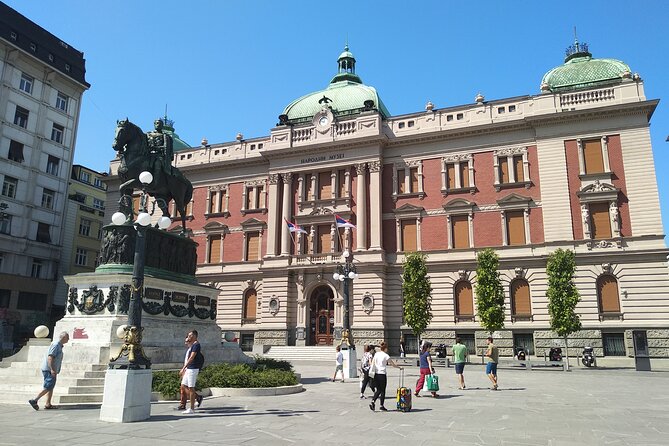
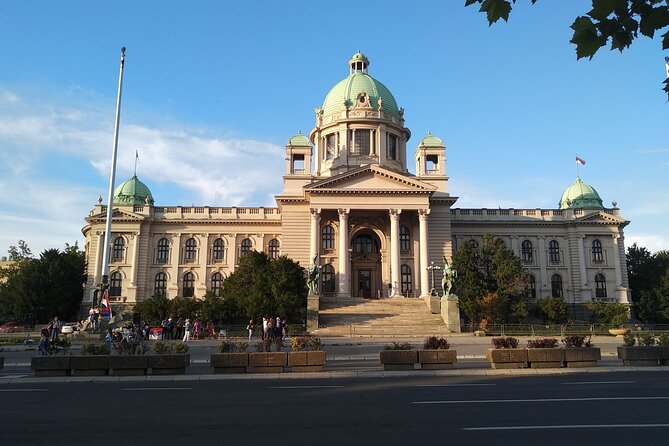
Then you move to the House of the National Assembly of the Republic of Serbia, on Nikola Pašić Square. This building is a landmark, and it earns that title because it’s tied to repeated political roles.
The tour highlights that between 1936 and 2006, it served as the seat of the parliament for Yugoslavia, then later for Serbia and Montenegro. In other words, the walls outlast the systems, but the purpose inside evolves with each political shift.
If you’ve ever wondered how a country can change governments without abandoning its institutions entirely, this stop helps. It shows a continuity of power structures even when the names, alliances, and governing systems changed.
Kneza Miloša: the korzo promenade and the embassy-heavy street
At Kneza Miloša, the tour shifts from landmark buildings to the way the city functions. This street used to be the main korzo, the classic promenade where people walk, meet, and watch life unfold in public.
Today it’s a major traffic artery, with important national institutions along it, plus a high concentration of embassies. That matters for your understanding of Belgrade because it connects ideology to geography. You’re not only learning about what governments said in speeches. You’re also seeing where diplomatic and national power sits in the city map.
Tip for you: walk slower for a minute here. Even with the tour moving on, this is a good place to notice scale, street rhythm, and how people actually use the space. History is easier to believe when it’s tied to how the street feels today.
Generalštab: post-war military architecture, then the damage of 1999
One of the most sobering stops comes at Generalštab, also called the Yugoslav Ministry of Defence building, or the Yugoslav General Staff. It’s known as a masterpiece of post-war architecture, and the guide frames it as both strategic and symbolic.
The story includes the building’s role defending the Federal Republic of Yugoslavia against threats, then moves to a painful turning point: it was heavily damaged during the NATO bombing of Yugoslavia in 1999.
This stop works best if you let it be what it is, a place shaped by fear and power. The tour doesn’t sugarcoat, but it also doesn’t turn it into doom tourism. You’ll learn why a military building can still feel like history long after the events.
If you’re sensitive to intense topics, this is the one to mentally prepare for. It’s not gruesome. It’s just heavy.
Museum of Yugoslavia: Tito’s life, the grave, and the House of Flowers
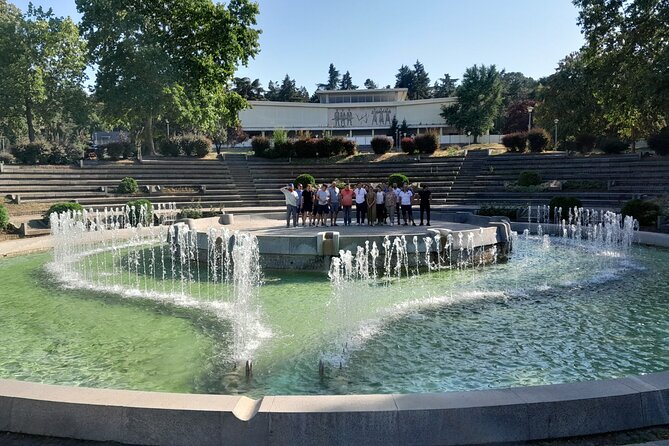
The final act is the Museum of Yugoslavia, and it’s a smart ending. After visiting the governmental and symbolic buildings in central Belgrade, you shift into public history. From Generalštab to the museum, you take a trolleybus for about 15 minutes.
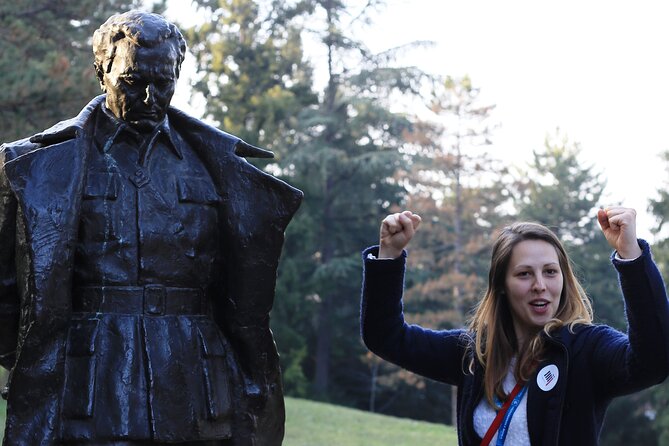
Inside, the museum covers the Kingdom of Yugoslavia, Socialist Yugoslavia, and the life of Josip Broz Tito. The highlight your guide will point out is that Tito’s grave is located in one of the museum buildings, the House of Flowers.
This museum also has the kind of visitor numbers that usually mean it’s not a niche side show. It’s described as having around 120,000 visitors annually, which tells you it’s a major part of how people in Serbia and visitors understand that era.
You get about 1 hour here, and the included ticket means you don’t have to plan any extra admissions. I like endings like this because the tour stops feel like a guided preface, then the museum becomes your source of detail if you want to keep reading after the walk.
Guide quality is the real upgrade, not just the route
This is the tour where the guide really earns their fee. Past feedback stresses that guides can handle modern Serbian history with factual precision and nuance, and also keep it human.
A recurring theme is that the presentations are not random. For example, one guide shared book and documentary recommendations when asked, which is a great bonus if you want to keep exploring after the tour ends. Another guide was praised for an engaging delivery and also for understanding transit systems, which helps with the trolleybus part.
You’re also protected a bit from the classic problem of history tours: getting lost in dates without understanding why any of it matters. The better guides here focus on meaning. Tito’s era becomes more than a name. Non-Aligned policy becomes a real geopolitical strategy. The 1990s become more than a headline.
And if you care about language, the same feedback highlights strong command of English. That’s not a minor detail. It changes how much you catch, especially when events are complex.
Timing, value, and what you’re actually paying for
This tour runs for about 3 hours and starts at 3:00 pm at Trg Republike. It ends in front of the Museum of Yugoslavia, so your day doesn’t end with a random drop-off.
The price is $24.03 per person, and that’s easiest to judge based on what’s included:
- Museum of Yugoslavia admission
- Trolleybus ticket
- Professional tour guide
Meanwhile, each of the first stops comes with free admission tickets. So you’re not paying extra just to see the buildings that frame the story.
There’s also a maximum group size of 15 travelers, which typically helps you ask questions and stay oriented. And the tour offers group discounts, which can make a noticeable difference if you’re traveling with someone.
One more practical note: this tour is often booked ahead, with an average booking window of about 16 days. If you’re visiting in a busy season or want the English slot at a specific time, booking early is smart.
Practical tips to get more from every stop
Here’s how I’d set you up for an easy, worthwhile 3 hours.
First, wear comfortable shoes. You’re doing multiple stops, and while each one is short, the walking adds up.
Second, treat the tour like a story, not like a checklist. If your brain starts to glaze over when the timeline speeds up, just focus on the big link each stop is making. Tito era logic connects to how later institutions behaved. Military architecture connects to the way 1999 still echoes.
Third, ask questions. The tour’s strength is that guides can handle nuance, and that gets even better when you steer the conversation. If you’re curious about why a building matters, ask. If you want help understanding the Non-Aligned movement in plain terms, ask.
Finally, plan what you’ll do after. Since the tour ends right in front of the Museum of Yugoslavia, you’re in position to go deeper if you want. Even if you only spend the included hour, you’ll leave knowing what to read next.
Who should book this, and who might skip it
You should book this tour if you:
- Want a straightforward way to understand Yugoslavia and Serbia’s 20th-century shifts
- Enjoy history that’s tied to real places, not just lectures
- Like tours led by guides who explain with balance and detail
- Want a museum visit built into a walking route, so you don’t have to plan everything yourself
You might skip it if you want a purely scenic day, with minimal political content. This is a political-history walk first, sightseeing second. You’ll still see excellent city landmarks, but the point is the story behind them.
Should you book the Communist Tour in Belgrade?
If you’re the type of traveler who likes your history with context, this is a good value choice. At $24.03 for a guided route plus a ticketed museum finish, you’re paying for access and explanation, not just movement through the city.
I’d book it especially if you’re new to the topic. The tour gives you a timeline you can build on, and the museum gives you the place to keep reading. Just go in ready for heavier themes, and you’ll come out with a much clearer picture of how Belgrade got from Tito to the present.
FAQ
What time does the tour start, and where do I meet?
The tour starts at 3:00 pm. The meeting point is Trg Republike, Belgrade, Serbia.
Where does the tour end?
The tour ends in front of the Museum of Yugoslavia.
How long is the Communist Tour in Belgrade?
The duration is approximately 3 hours.
Is the tour offered in English?
Yes, the tour is offered in English.
What’s included in the price?
The price includes entrance to the Museum of Yugoslavia, a trolleybus ticket, and a professional tour guide.
Are there admission costs at the earlier stops?
The earlier stops listed on the tour have admission ticket free entry.
What is the group size limit?
This tour has a maximum of 15 travelers.
What is the cancellation policy?
There is free cancellation. You can cancel up to 24 hours in advance for a full refund.
The Rest of the Serbian Shortlist
Everything We Have Reviewed in Serbia
Tito, Concrete and the Old Republic
Just Reviewed in Serbia
- Private Half Day Serbia Tour Novi Sad and Petrovaradin Fortress★ 5.0 · 3 reviews
- Private Wine Tasting by Party in Belgrade★ 5.0 · 3 reviews
- Belgrade: The White Emigration in Serbia in the Wake of the Russian Revolution★ 5.0 · 3 reviews
- Zica and Studenica monastery From Belgrade★ 5.0 · 3 reviews
- Feel Belgrade Welcome tour★ 4.5 · 3 reviews
Belgrade Communist & Yugoslav History Tours, side by side.
 ★ 5.0Red Belgrade Communist TourFrom $5378 reviews
 ★ 4.5Architecture of New Belgrade – Brutalism DecodedFrom $8624 reviews
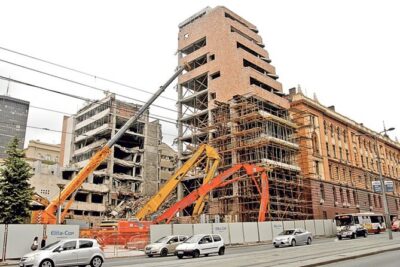 ★ 5.0NATO Bombing of Belgrade Historical TourFrom $6917 reviews
 ★ 5.0E-Scooter Communist Yugoslavia TourFrom $4815 reviews
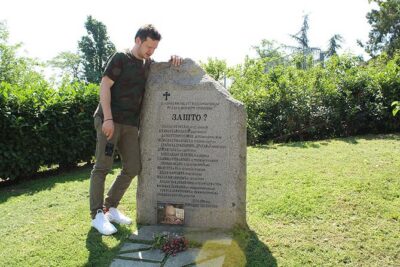 ★ 4.5NATO Bombing of Belgrade Private TourFrom $14511 reviews
 ★ 5.0Tito and History Vintage Car TourFrom $14411 reviews
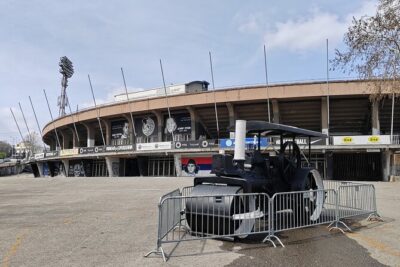 ★ 5.0E-Scooter Belgrade Hooligans TourFrom $487 reviews
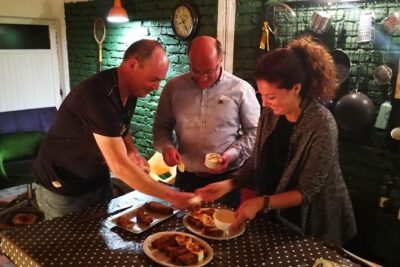 ★ 5.0Eat Like Tito – Gastro Historical ExperienceFrom $1274 reviews
Also on these Serbia lists