
REVIEW · BELGRADE
Half-Day Sightseeing and Walking Tour of Belgrade City
Belgrade history is easier when you walk it. This half-day route threads together major sights from medieval Serbia to the city’s Austro-Turkish mix, with a guide who turns dates and names into a story you can see on the street. I especially like the small group size and the way the tour keeps moving without feeling rushed, so you can actually connect the dots. One thing to consider: the experience is English only, so if you need another language, double-check before you book.
I also like that most stops are built for quick understanding, not long museum marathons. You get free access at key points along the way, plus a included coffee or tea break that fits the local rhythm of the day. The route is designed for a 2 to 3 hour walk, and if the weather or street noise is rough, you may catch less detail in a few spots.
In This Review
- Key highlights at a glance
- Belgrade on foot: why this route makes sense
- Price and logistics: what you really get for $38.34
- The starting point and the 11:00 rhythm
- Stop 1: Crkva Svetog Marka and Stefan Dušan’s tomb
- Stop 2: The Old Palace, Obrenović roots, and the City Assembly
- Stop 3: The National Assembly building and Play of the black horses
- Stop 4: Terazije Fountain, Belgrade’s practical 1860 utility
- Stop 5: Prince Mihailo Monument and 19th-century sculpture
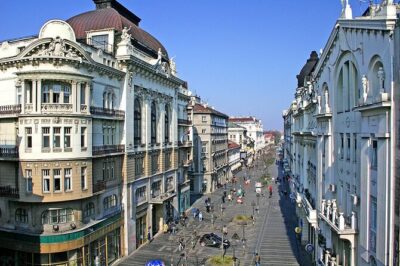
- Stop 6: Knez Mihailova pedestrian street, the city’s walking spine
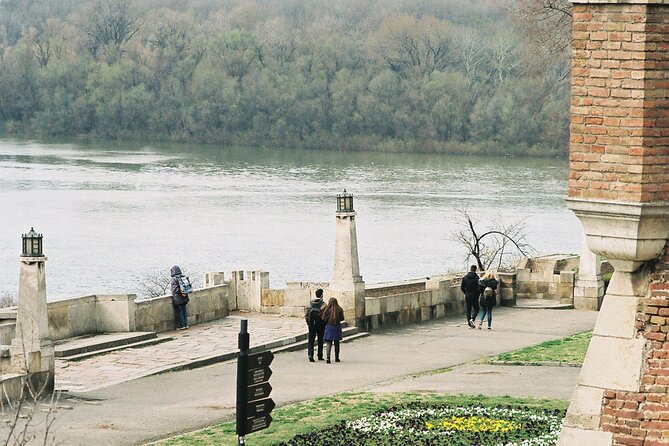
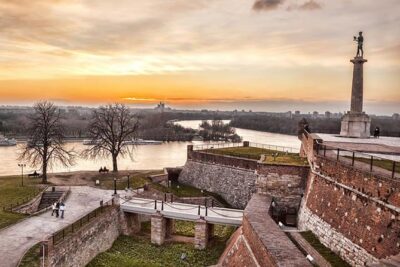
- Stop 7: Kalemegdan Park and Belgrade Fortress, Sava and Danube views
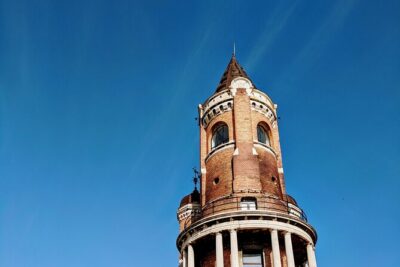
- Stop 8: Clock Tower (Sahat Kula), built across empires
- Stop 9: Monument of Gratitude to France
- Stop 10: The City Keys handover memorial from 1867
- Coffee and/or tea break: a small pause with local flavor
- How this tour feels in real life: group size, pace, and hearing the story
- Who should book this Belgrade walking tour?
- The guide factor: storytelling that handles big topics
- Should you book this half-day Belgrade walk?
- FAQ
- FAQ
- How long is the Belgrade half-day sightseeing and walking tour?
- Where does the tour start and end?
- What is the meeting time?
- Is transportation included?
- What’s included in the tour price?
- What language is the tour offered in?
- Can I get a refund if my plans change?
Key highlights at a glance
- Dušan’s tomb at Crkva Svetog Marka, with the medieval ruler’s legacy tied directly to the building
- City-center power architecture, from the Old Palace to the National Assembly area
- 19th-century Belgrade on foot, including Terazije Fountain and the Prince Mihailo Monument
- Kalemegdan Fortress views over where the Sava and Danube meet
- Clock Tower history across Austrian and Turkish periods, plus the story markers around Kalemegdan
The big Belgrade sweep, other versions of it
Belgrade on foot: why this route makes sense
If you want Belgrade to click fast, you need two things: smart context and tight geography. This tour gives you both. You start in the central city and end back near Knez Mihailova, so you can keep exploring after the walk instead of changing neighborhoods.
The pacing works because each stop is short, but not random. You’re always moving between places that connect to a theme: who ruled, what changed, and why these buildings still matter today. And because the group is capped at 6 people, the guide can slow down for questions when something feels confusing.
Price and logistics: what you really get for $38.34
At $38.34 per person, this is a practical way to buy orientation. You’re paying for guided interpretation, not just walking between photos.
Value comes from three details:
- A compact 2 to 3 hour format that fits a travel schedule
- Free admissions at the main stops on the route
- An included coffee and/or tea break, so you’re not hunting for a place mid-walk
You should still plan for what’s not included. There’s no transportation and no lunch. Also note the route is a walk, so comfortable shoes matter more than anything else.
The starting point and the 11:00 rhythm
The meeting point is Kosovska 47, Beograd, with the tour starting at 11:00 am. The walk finishes near Kneza Mihaila 54a, in front of the Belgrade City Library area.
Why you should care about this timing: Belgrade’s main streets feel easiest when you can move before the day gets too hot or the crowds get thick. If you’re visiting in winter, you’ll still likely get more usable daylight for Kalemegdan views. If you’re visiting in warmer months, start-time means you’re less likely to feel rushed at the fortress section.
More of the old town at walking pace
- Belgrade: 3-Hour Small Group Walking Tour
★ 5.0 · 180 reviews - E-Scooter Zemun Tour
★ 5.0 · 26 reviews - Belgrade City Walk, Gathering and Sightseeing
★ 5.0 · 19 reviews
Stop 1: Crkva Svetog Marka and Stefan Dušan’s tomb
The tour begins at Crkva Svetog Marka, where you’ll see the tomb and sarcophagus of Emperor Stefan Uroš IV Dušan. This is medieval Serbia, not in a distant textbook but in stone right in front of you.
What I like about starting here is the clarity. The guide uses Dušan’s reign to frame later centuries of Serbian identity, including the idea of empire and the way rulers wanted to present power. The stop is short, around 20 minutes, and the admission is free.
Practical note: church interiors can require a bit of modesty. A good hint from past participants is simple: if you’re traveling with kids, bring long pants, because it can affect entry. If you forget something, it’s also helpful to have a spare layer you can use for coverage.
Stop 2: The Old Palace, Obrenović roots, and the City Assembly
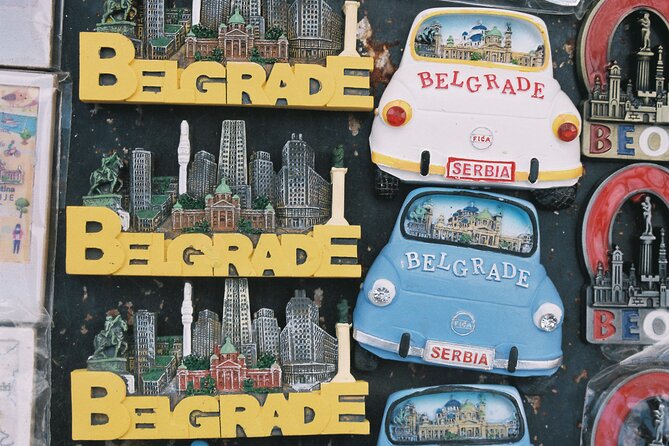
Next comes Belgrade’s Old Palace, the Royal Palace of the Obrenović dynasty, which today houses the City Assembly of Belgrade. Even without a deep stop inside, you get a strong sense of how official power wanted to look.
You’ll focus on how it was built between 1882 and 1884, with design attributed to Aleksandar Bugarski. The external architecture is described as a high point of 19th-century academism in Serbia, and the guide helps you read the building like a statement, not just a facade.
This stop takes about 30 minutes, and admission is free. It’s a good pause in the walk because it gives you time to connect the “who ruled” theme with “how did they build” evidence.
Stop 3: The National Assembly building and Play of the black horses
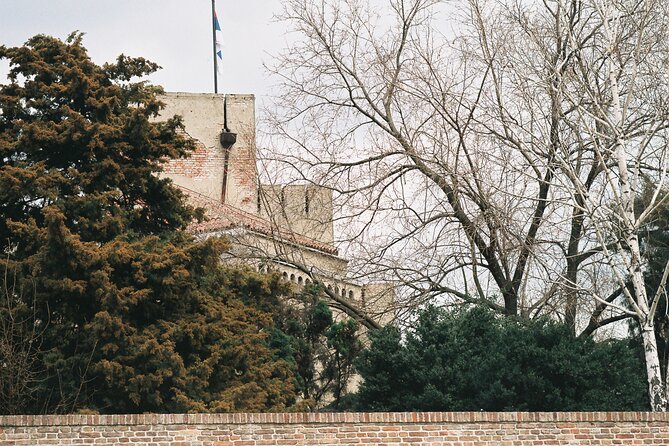
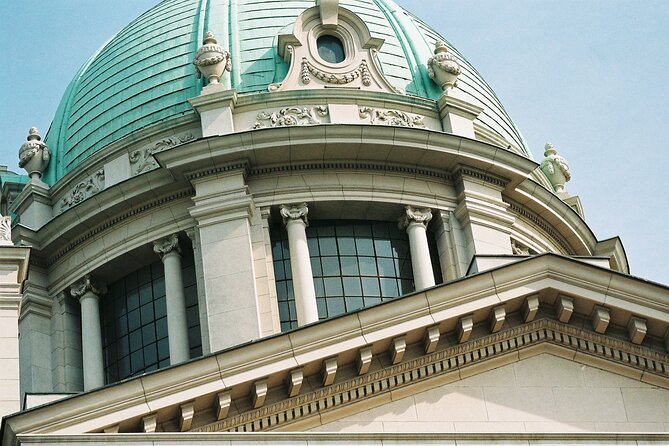
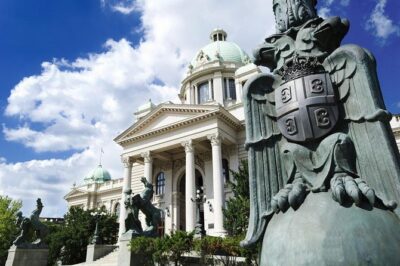
From there, the tour sets up at the National Assembly of the Republic of Serbia, where you’ll notice the sculpture group called Play of the black horses. This is one of those places where the visual grabs you first, then the story lands second.
You’ll learn why construction stretched nearly 30 years, with the timeline shaped by wars, limited finances, and social misunderstandings. The point is not just that it took time. It’s that Belgrade’s political center was slow to stabilize, and the building reflects that history.
It’s a brief stop, around 15 minutes, with free entry. If you love architecture that carries politics in its lines, you’ll enjoy this one.
Stop 4: Terazije Fountain, Belgrade’s practical 1860 utility
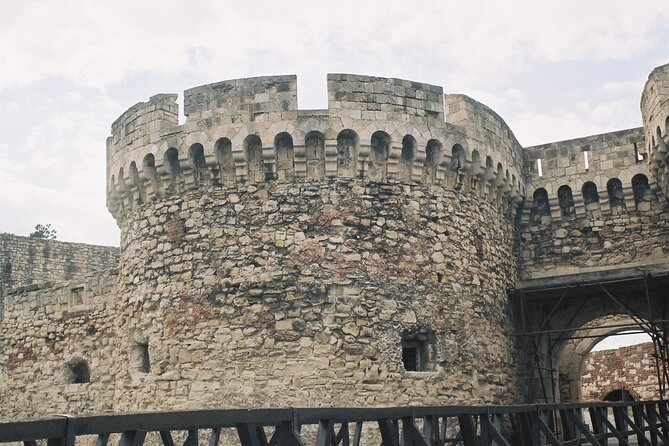
Terazije Fountain is quick, about 15 minutes, but it’s a smart inclusion. The tour frames the fountain as both utilitarian and decorative, erected in 1860.
Why this matters: not every highlight in Belgrade is dramatic. Some of the most revealing history is about everyday infrastructure, what cities needed, and how public art fit into that need. This stop keeps the tour from turning into only palaces and monuments.
Stop 5: Prince Mihailo Monument and 19th-century sculpture
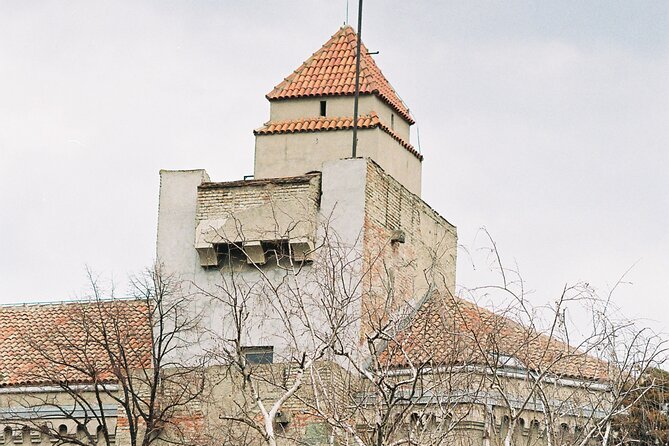
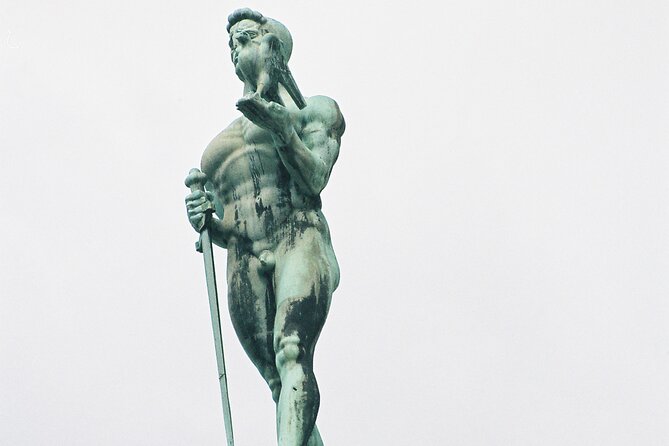
At Prince Mihailo Monument, you’ll see how individual leadership gets turned into public memory. The sculptor credited is Enrico Pazzi, while the decorative reliefs are attributed to Konstantin Jovanović.
The tour keeps it short, about 15 minutes, with free admission. I like this stop because it shows how Belgrade used art to build national symbolism. If you’re the type who reads monuments as messages, this one gives you a clean entry point.
Stop 6: Knez Mihailova pedestrian street, the city’s walking spine
Now you move into the pedestrian core at Knez Mihailova, near Kalemegdan Fortress. This section is about 20 minutes and is free to simply enjoy.
This is where you feel the city’s layout. The guide uses the street to connect the old center to the fortress ridge ahead, and it helps you understand why Belgrade’s key sights cluster where they do.
Also, this is a comfortable stretch to take a breath. If you’re traveling with a stroller, note that at least one past participant reported the guide being accommodating, so the pace can work for family groups.
Stop 7: Kalemegdan Park and Belgrade Fortress, Sava and Danube views
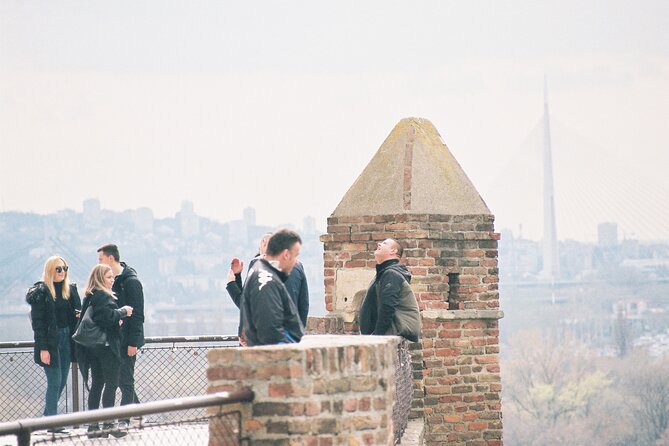
The walk then reaches the heart of the city’s defensive and strategic story at Kalemegdan Park and Belgrade Fortress. This stop is the longest, around 45 minutes, and it’s free.
You’ll focus on why the ridge mattered: it sits at the confluence of the Sava and Danube, giving control over the surrounding plain on the north and west side. The tour emphasizes that the site has been inhabited since prehistoric times, which is a reminder that Belgrade’s importance did not start in medieval or modern eras.
The value here is the mix of views and context. Standing where people once watched for danger, you suddenly understand why so many eras fought over this exact spot. If you want photos, this is your window.
Stop 8: Clock Tower (Sahat Kula), built across empires
Next up is the Clock Tower, or Sahat Kula. The tour explains that work began under the Austrians, then finished under Turkish rule, between 1740 and 1789.
This is a great stop for anyone who likes to see history layered. One building reflects different authorities and different priorities over time. It’s brief, about 10 minutes, but it adds meaning to the “why Belgrade looks mixed” feeling people notice.
Stop 9: Monument of Gratitude to France
Outside the fortress area, you’ll see the Monument of Gratitude to France, presented as a symbol of friendship and cooperation between Serbia and France during World War I.
It’s a quick, about 15 minutes stop, and it’s free. I like this because it broadens the story beyond only local rulers. Belgrade’s history is tied to international alliances, and this marker gives you a concrete way to remember that.
Stop 10: The City Keys handover memorial from 1867
The final story marker is the City Keys handover memorial, marking the place where, on 6 April 1867, Ottoman Turks handed keys of several Serbian fortresses to Prince Mihailo Obrenović.
The guide connects this moment to Serbia’s larger path toward international recognition, including the Treaty of Berlin in 1878. This stop is about 15 minutes and free.
What I appreciate about ending here is the payoff. The tour started with imperial power and official buildings. It finishes with a symbolic transfer that represents real political change. It’s a clean emotional ending: a turning point, not just another landmark.
Coffee and/or tea break: a small pause with local flavor
The tour includes coffee and/or tea, and past participants specifically called out Turkish coffee as part of the experience. This matters because it’s not just a snack stop. It gives you a moment to reset, ask questions, and process what you just saw.
You’re walking in central Belgrade and you may lose some details to street noise. A coffee break helps you regain focus, and it keeps the tour from feeling like only standing and reading.
How this tour feels in real life: group size, pace, and hearing the story
The maximum group size is 6, and the tour is built to be manageable. Short stops mean you’re never stuck in one place too long, and the guide can adjust based on what you care about.
One consideration from real-world experience: traffic noise can make it harder to catch every word in a few areas. If you’re sensitive to sound, try to position yourself close to the guide during street crossings and stop points.
If you’re thinking about comfort, this is a practical choice for most people who can do city walking. Service animals are allowed, which can be important for some travelers.
Who should book this Belgrade walking tour?
I think this tour is a strong fit if:
- You want an easy first introduction to Belgrade’s center
- You like history explained through specific places, not generic summaries
- You prefer a small group and real Q and A time
- You want a guided plan that still leaves you free to explore after
It may be less ideal if you need a language other than English, or if you’re looking for a more museum-heavy day. The route is built around walking and seeing.
The guide factor: storytelling that handles big topics
The tour is operated by Aleksandar Bastic, and guides are a big part of the satisfaction level here. In particular, past participants praised the ability to handle sensitive questions with ease and to connect events across generations.
That matters because Belgrade and the Balkans have history that can feel emotional and complicated. A good guide helps you ask the right questions and gives you the context to understand the bigger picture without turning the walk into a lecture.
On some departures, guides named Milica have also been mentioned positively for being professional and friendly. If that matters to you, it’s worth looking at your assigned guide before you go.
Should you book this half-day Belgrade walk?
Yes, if you want to understand Belgrade fast using a route built around the city’s most important turning points. It’s good value for the money because admissions are free at the main stops, coffee is included, and the small group format makes it feel personal.
I’d book with extra care only if you have strict language requirements. The experience is offered in English, and one unhappy story involved a mismatch between expected language and what happened on the day. If another language is a must for your group, confirm clearly before final payment.
FAQ
FAQ
How long is the Belgrade half-day sightseeing and walking tour?
It lasts about 2 to 3 hours.
Where does the tour start and end?
It starts at Kosovska 47, Beograd 11000 and ends in front of the Belgrade City Library near Kneza Mihaila 54a.
What is the meeting time?
The tour starts at 11:00 am.
Is transportation included?
No, transportation is not included.
What’s included in the tour price?
You get coffee and/or tea, and the tour uses a mobile ticket.
What language is the tour offered in?
The tour is offered in English.
Can I get a refund if my plans change?
Yes, you can cancel for a full refund if you cancel at least 24 hours before the experience start time.
Everything We Have Reviewed in Serbia
Belgrade Streets, One More Loop
Belgrade End to End
Just Reviewed in Serbia
- Private Half Day Serbia Tour Novi Sad and Petrovaradin Fortress★ 5.0 · 3 reviews
- Private Wine Tasting by Party in Belgrade★ 5.0 · 3 reviews
- Belgrade: The White Emigration in Serbia in the Wake of the Russian Revolution★ 5.0 · 3 reviews
- Zica and Studenica monastery From Belgrade★ 5.0 · 3 reviews
- Feel Belgrade Welcome tour★ 4.5 · 3 reviews
Belgrade Old Town Walking Tours, side by side.
 ★ 5.03-Hour Small Group Walking TourFrom $35180 reviews
 ★ 5.0E-Scooter Zemun TourFrom $4826 reviews
 ★ 5.0Belgrade City Walk, Gathering and SightseeingFrom $3819 reviews
 ★ 5.0Belgrade Private Walking Tour with a LocalFrom $4219 reviews
 ★ 5.0Belgrade Old City 2-Hour Walking TourFrom $6015 reviews
 ★ 5.03-Hour Belgrade Zemun Neighborhood TourFrom $928 reviews
 ★ 5.04-Hour Belgrade Private Grand City Walking TourFrom $1028 reviews
 ★ 5.0Belgrade Walking Tour in FrenchFrom $436 reviews
Also on these Serbia lists