
REVIEW · BELGRADE
Belgrade City Walk, Gathering and Sightseeing
Belgrade is a city with stories layered on stories. This 2 to 3 hour walking tour helps you get oriented fast, then connects what you see to Serbia’s history, religion, and culture, with a complimentary hot beverage included. I especially liked the way the walk mixes big landmarks with human-scale details, like royal burials and an iconic monument you will recognize for years. One thing to consider: part of the experience leans into heavy themes of identity and politics, so if you want only light sightseeing, this may feel a bit weighty.
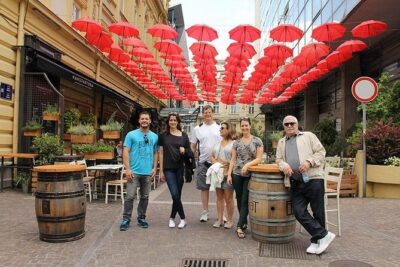
It’s also a practical way to cover a lot of central Belgrade without burning half a day guessing where to go. The group stays small, up to 6 people, and you’ll move at an easy pace while stopping for short explanations and photo moments. If you are visiting for the first time, this type of guided structure can make the rest of your trip click.
In This Review
- Key highlights you will remember
- Why this Belgrade city walk works for first-timers
- Time, route flow, and logistics you should plan for
- Stop 1 at Crkva Svetog Marka: royal burials and a turning point in sovereignty
- Stop 2 at the House of the National Assembly: monumental architecture with a complicated building story
- Stop 3 at the Old Palace: academism, monarchy, and today’s city governance
- Stop 4 at Hotel Moskva: a coffee break with serious history built in
- Stop 5 at Republic Square: where Belgradians meet and where the city’s gates used to be
- Stop 6 at Nebojsa Tower: traditions and celebrations tied to place
- Stop 7 at the Monument of Gratitude to France: Ivan Mestrovic and 1930 diplomacy
- Stop 8 at Kalemegdan Park and the Belgrade Fortress: the big-picture view lesson
- Stop 9 at Pobednik (Victor): a monument that shows war and peace in one pose
- Coffee culture, small-group pacing, and why the guide’s style matters
- What might not fit your travel style
- Who should book this Belgrade walk, and who should choose a different option
- Should you book the Belgrade City Walk?
- FAQ
- How long is the Belgrade City Walk?
- What is the price per person?
- Is the tour in English, and do I get a mobile ticket?
- Is coffee or tea included?
- Are entrance tickets included for all stops?
- Where does the tour start and end?
- Is transportation included?
- Is free cancellation available?
- How many people are in the group?
Key highlights you will remember
- Crkva Svetog Marka burials and the Ottoman-era autonomy story tied to the church site
- House of the National Assembly as an architectural lesson in state-building and interrupted plans
- Hotel Moskva coffee stop in a cultural monument with major celebrity name drops
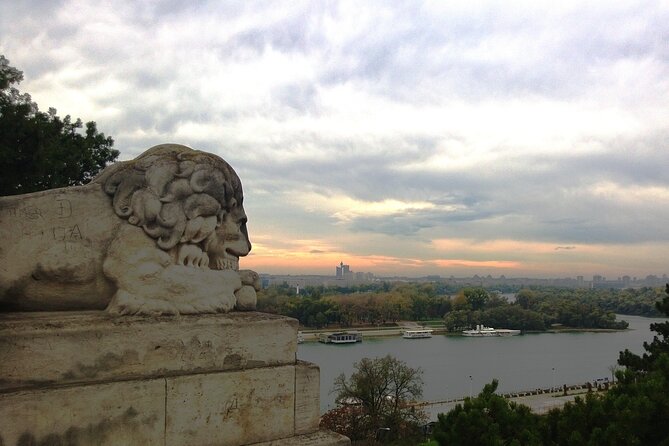
- Kalemegdan Fortress and park for views at the Sava and Danube confluence
- Pobednik (Victor), the war-and-peace symbolism you can actually picture
The big Belgrade sweep, other versions of it
Why this Belgrade city walk works for first-timers
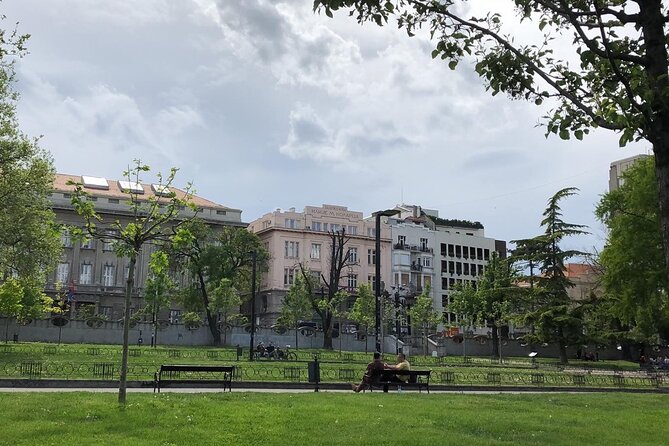
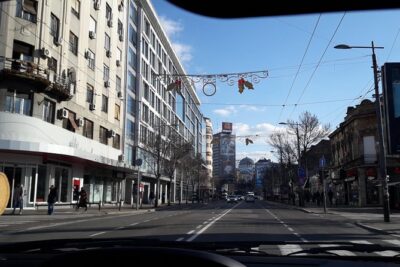
I like tours that give you more than a checklist. This one gives you a mental map, plus context you can reuse. You start near central Belgrade, then work your way through the core areas people actually gather, govern, debate, and celebrate.
The value is in the mix: sacred space, government architecture, monarchy-era buildings, and modern public squares, all tied together by what the guide explains about Serbian identity. You do not just pass by monuments. You learn what they represent, then you can look again on your own later and notice different details.
Price-wise, $38.41 for 2 to 3 hours is reasonable when you factor in two things that are clearly included: a hot coffee or tea and at least one stop with an admission ticket included. You also get a small group size, which matters in Belgrade, where you often share narrow sidewalks and crossings.
Time, route flow, and logistics you should plan for
This is designed as a compact walking loop in the center, starting at Kosovska 47, Beograd 11000, with a 11:00 am start. The tour ends at Kneza Mihaila 54a, in front of the Belgrade City Library at 56 Knez Mihailova street.
Plan on 2 to 3 hours of steady walking with frequent short stops. The pace is easy enough that you can keep up without feeling rushed, but you are still moving. Comfortable shoes matter, especially once you reach Kalemegdan, where the terrain around the fortress and park can be uneven.
Transportation is not included. That means you should handle getting yourself to the start point. Good news: the route is near public transportation, so you can arrive without needing a taxi for the whole day.
Group size stays small, with a maximum of 6 travelers. That often leads to better questions, more flexibility if you want to focus on a specific topic, and fewer long waits while everyone takes photos.
Stop 1 at Crkva Svetog Marka: royal burials and a turning point in sovereignty
You begin at Crkva Svetog Marka, where the churchyard story is the hook. This is where Mlan Obrenovic, eldest son of Milos Obrenovic, is buried. It is also the burial place of King Alexander I Obrenovic and Queen Draga.
The history tied to the church location adds weight to the visit. On the place where today’s church stands, in 1830, a sultan’s edict was read announcing Serbian autonomy within Turkey. That detail gives you something rare on a short city walk: you learn how a religious site can also mark shifting power.
What I like: the explanation makes the space feel specific, not generic. You get names, relationships, and a clear political moment, all right where you are standing. If you love history that connects people to place, this opening stop sets the tone perfectly.
A practical note: this stop is listed as 20 minutes with an admission ticket included. So you do not need to do extra planning for this one.
More of the old town at walking pace
- Belgrade: 3-Hour Small Group Walking Tour
★ 5.0 · 180 reviews - Half-Day Sightseeing and Walking Tour of Belgrade City
★ 5.0 · 37 reviews - E-Scooter Zemun Tour
★ 5.0 · 26 reviews
Stop 2 at the House of the National Assembly: monumental architecture with a complicated building story
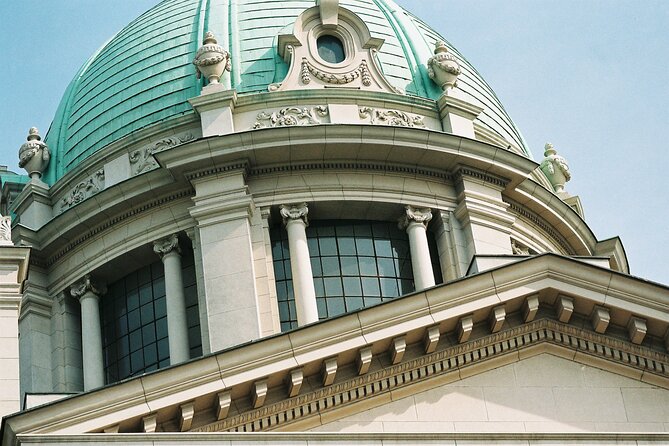
Next comes the House of the National Assembly of the Republic of Serbia, a monumental building from the former Kingdom of Yugoslavia era, built between 1907 and 1936.
What makes this stop interesting is that the guide does not treat the building as just pretty facades. The construction history is part of the lesson: numerous interruptions, project modifications, and the involvement of major Serbian architects of the early 20th century. Konstantin A. Jovanovic is connected to the project beginning, and later Jovan Ilkic took over execution.
This is where you start to see how architecture becomes state messaging. When a building takes decades and changes hands, it reflects more than design choices. It reflects political stability, financial pressure, and shifting priorities.
What I like: you get an explanation that links architecture to parliamentary life, which helps you read the building with fresh eyes. Even if you spend only a short time here, you will likely remember the timeline.
The drawback to plan for: entrance tickets at this stop are not included, and the stop is listed as 15 minutes. So if you want to go inside or spend extra time there, budget for any entrance requirements you might encounter.
Stop 3 at the Old Palace: academism, monarchy, and today’s city governance

You then reach the Old Palace, the Royal Palace of the Obrenovic dynasty of Serbia, now housing the City Assembly of Belgrade. The building sits at the corner of Kralja Milana and Dragoslava Jovanovića streets.
The exterior is described as one of the most beautiful achievements of academism in Serbia in the 19th century. It was built between 1882 and 1884, designed by Aleksandar Bugarski.
I like this stop because it sits at the junction between eras. You look at a building tied to monarchy and dynastic power, and you see it is now used for local governance. That continuity is a big part of how Belgrade works: the city recycles space, keeps layers, and lets new functions occupy older stages.
This stop is listed as 15 minutes, with admission ticket free. That makes it easy to enjoy without worrying about extra costs.
Stop 4 at Hotel Moskva: a coffee break with serious history built in
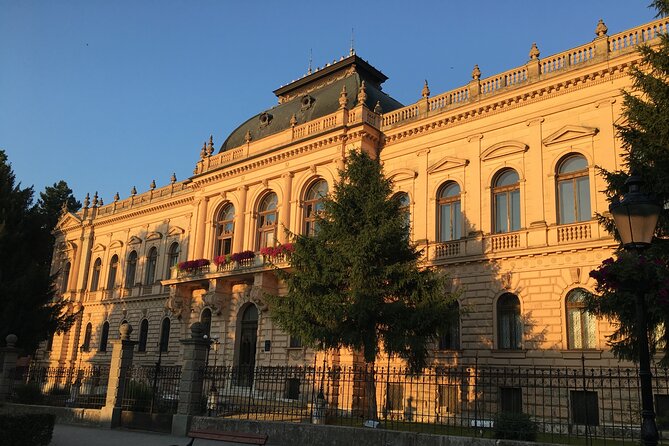
Hotel Moskva is one of the most fun stops on the walk, and it is also a rare one that feels both historic and lived-in.
The hotel is described as a historic four-star property with 123 rooms, established in 1908 on Terazije Square in a distinctive Russian secession style. It is protected as a cultural monument and includes a famous cafe, restaurant, and spa. The info also notes major celebrity name associations, including Albert Einstein and Robert De Niro.
The tour’s complimentary hot beverage fits perfectly here. It’s not just a pause to sit down. It’s a way to experience Belgrade’s café culture in a setting that already has reputation and character.
What I like: this is the kind of break that improves the whole tour. You recharge, you people-watch on Terazije Square energy, and then you keep walking with better patience for the remaining stops.
One consideration: the stop is 15 minutes and admission tickets are not included, which makes sense because you are mostly there for the coffee and atmosphere. Dress for the weather if you plan to step outside again right after.
Stop 5 at Republic Square: where Belgradians meet and where the city’s gates used to be
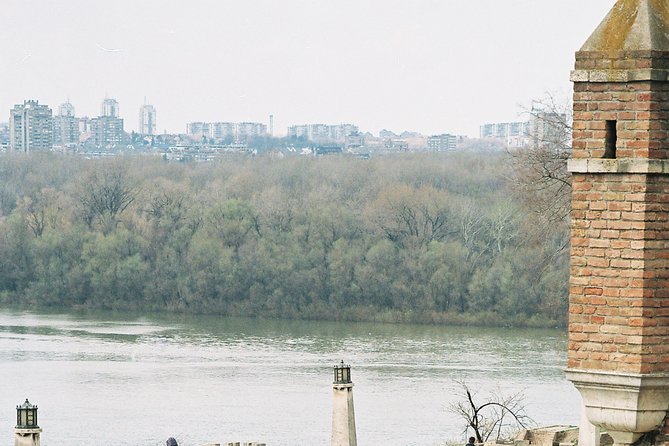
Republic Square, Trg Republike, is the main meeting point for Belgradians. The key detail is not just what the square looks like now, but what was there before: it is located on the site where gates leading into the city used to be.
That is a great storytelling technique for a city walk. You start to treat streets and squares like palimpsests, not blank spaces.
The stop is listed for 15 minutes, admission ticket not included. You can enjoy it as an open-air orientation point, and it also helps you understand how the city organizes public life around central hubs.
Stop 6 at Nebojsa Tower: traditions and celebrations tied to place
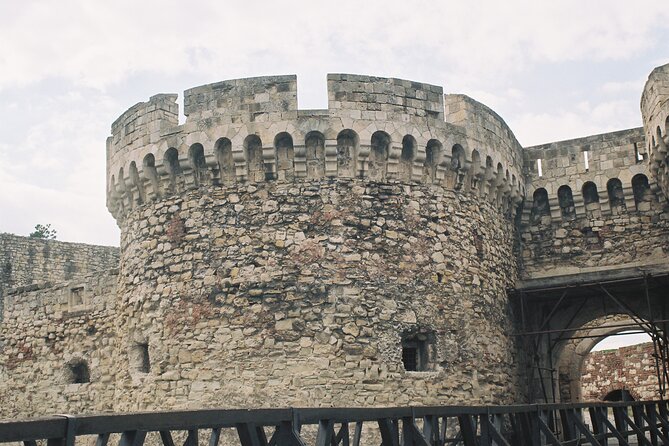
Nebojsa Tower is a short stop on the itinerary (25 minutes), and the focus here is not only views. The tour explains special customs and celebrations that are only celebrated in Serbia.
I like when a walking tour includes cultural specifics, because it turns a “photo spot” into something you can actually talk about later. Even if you only catch a few traditions during the explanations, you leave with ideas to look for in daily life, markets, music, and holidays.
Admission at this stop is free, so it’s easy to include in your mental checklist. Also, if you are the kind of person who likes to understand what everyday people do, this stop helps balance the more official-feeling stops earlier in the tour.
Stop 7 at the Monument of Gratitude to France: Ivan Mestrovic and 1930 diplomacy
After you move through the park area, you reach the Monument of Gratitude to France. The sculptor is Ivan Mestrovic, and the monument was erected at the end of the main alley of Kalemegdan Park in 1930.
I like this stop because it shows Belgrade is not only local stories. It’s international relationships made visible through art in public space. It also connects the walk to a larger theme you’ll keep noticing around Belgrade fortress zones: big ideas expressed through stone.
The stop is 10 minutes, and admission is not included. Since you are outdoors, you mostly take in the proportions and placement rather than paying for anything.
Stop 8 at Kalemegdan Park and the Belgrade Fortress: the big-picture view lesson
Kalemegdan Park and the Belgrade Fortress take the longest on the itinerary, with 45 minutes allocated. This is the historical core of the city and it sits where the Sava and Danube rivers meet, in the Stari Grad municipality.
This stop matters because it changes the way you understand everything you walked earlier. From fortress ground, Belgrade stops being just a set of buildings. You start to see why people built here, why armies cared about these angles, and how the rivers shape movement and identity.
You can expect open-air time, photo opportunities, and the guide’s framing of what you are seeing in the context of Belgrade’s long timeline. Admission is listed as free.
If you like viewpoints and want a clear sense of geography, you will probably spend extra minutes looking after the official time, just to absorb where the two rivers slice the city.
Stop 9 at Pobednik (Victor): a monument that shows war and peace in one pose
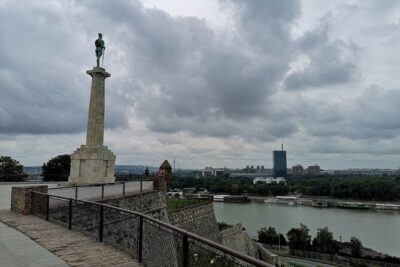
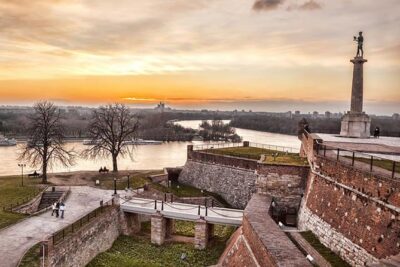
You finish with Pobednik, often called the Victor monument, Belgrade’s most recognizable symbol. The info says it was created in years before the First World War, and its formation took an unusually long time.
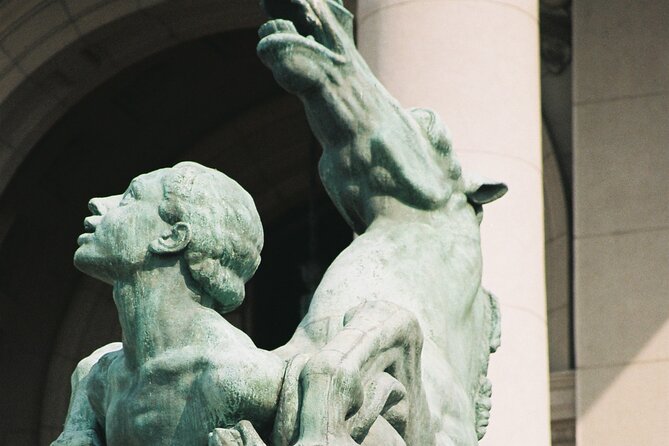
The story is even better than the silhouette. The monument was originally conceived as a fountain that would be placed in the center of Belgrade at Terazije. Ivan Mestrovic was entrusted with the task. By the beginning of World War I, the central part was cast in the form of a naked male figure.
The symbolism is specific and easy to picture: the figure holds a sword in its right hand, representing war. In the left hand, it holds a falcon, representing peace.
What I like: this is one of those monuments where the lesson helps you see the art as ideas, not decoration. Even if you do not memorize every detail, you’ll remember the sword and falcon, and you’ll know why they matter.
This stop is listed for 15 minutes, with admission not included. It’s an outdoor visit, so plan for weather and time for photos without expecting an interior experience.
Coffee culture, small-group pacing, and why the guide’s style matters
The included coffee or tea is not a throwaway detail. Coffee in Serbia is presented as a ritual, and the tour builds that into the schedule with the Hotel Moskva stop. That means you have an intentional break in the middle of the history heavy parts.
The guide also matters. The feedback I took in around this walk points to an enthusiastic, clear explanation style and a balanced historical perspective. That is exactly what you want on a city walk that touches identity, religion, and political history. If a guide can keep the story understandable and respectful while still being passionate, you enjoy the walk instead of feeling like you are sitting through lectures on the move.
Finally, the group limit of 6 travelers changes how the tour feels. It tends to keep things personal. If you ask a question, you are more likely to get a direct response instead of being pushed along.
What might not fit your travel style
This is not only a light architecture stroll. The tour’s own theme points to roots, religion, mentality, and history. That mix can be fascinating, but it can also feel more serious than some people expect when they think about a city walk.
Also, at least one stop has admission tickets not included, specifically the House of the National Assembly. If you want to go inside and you hate last-minute costs, check ahead on what you plan to do at that stop.
And like most central walking itineraries, you should dress for weather. You will be outside for multiple segments, especially around Kalemegdan and Pobednik.
Who should book this Belgrade walk, and who should choose a different option
I think this tour is best for you if:
- You are visiting Belgrade for the first time and want a solid orientation route
- You like history that explains why places exist, not just what they are
- You enjoy small-group guiding in English, with time for questions
- You want a clear, memorable stop with included coffee and the chance to revisit landmarks later
I would be cautious if:
- You prefer only neutral, low-emotion sightseeing and would rather skip identity and politics themes
- You hate any extra ticketing beyond what is explicitly included, since admission at the House of the National Assembly is not included
Should you book the Belgrade City Walk?
Yes, if your goal is to understand Belgrade quickly and thoughtfully. For around $38.41 and a 2 to 3 hour schedule, you get a tight central route, a complimentary hot beverage, and multiple stops that are free or include admission. The walk also ends in a zone where you can keep exploring on your own, especially around Kalemegdan and Pobednik.
Book soon enough because it is often booked about 8 days in advance on average. If you like the idea of combining royal stories, parliamentary architecture, café culture, and fortress views in one smooth sequence, this is a good bet.
FAQ
How long is the Belgrade City Walk?
The tour lasts about 2 to 3 hours.
What is the price per person?
The price is $38.41 per person.
Is the tour in English, and do I get a mobile ticket?
Yes, the tour is offered in English, and it uses a mobile ticket.
Is coffee or tea included?
Yes. Coffee and/or tea is included, with the tour describing it as a coffee ritual in Serbia.
Are entrance tickets included for all stops?
Not all stops. Crkva Svetog Marka includes an admission ticket. The House of the National Assembly has admission tickets not included. Several other stops are listed as free, such as the Old Palace, Nebojsa Tower, and Kalemegdan Park and the Belgrade Fortress.
Where does the tour start and end?
It starts at Kosovska 47, Beograd 11000, Serbia. It ends in front of the Belgrade City Library at 56 Knez Mihailova street (Kneza Mihaila 54a).
Is transportation included?
No. Transportation is not included.
Is free cancellation available?
Yes. You can cancel for free up to 24 hours in advance for a full refund.
How many people are in the group?
The tour has a maximum of 6 travelers.
Everything We Have Reviewed in Serbia
Belgrade Streets, One More Loop
Belgrade End to End
Just Reviewed in Serbia
- Private Half Day Serbia Tour Novi Sad and Petrovaradin Fortress★ 5.0 · 3 reviews
- Private Wine Tasting by Party in Belgrade★ 5.0 · 3 reviews
- Belgrade: The White Emigration in Serbia in the Wake of the Russian Revolution★ 5.0 · 3 reviews
- Zica and Studenica monastery From Belgrade★ 5.0 · 3 reviews
- Feel Belgrade Welcome tour★ 4.5 · 3 reviews
Belgrade Old Town Walking Tours, side by side.
 ★ 5.03-Hour Small Group Walking TourFrom $35180 reviews
 ★ 5.0Half-Day Sightseeing and Walking Tour of Belgrade CityFrom $3837 reviews
 ★ 5.0E-Scooter Zemun TourFrom $4826 reviews
 ★ 5.0Belgrade Private Walking Tour with a LocalFrom $4219 reviews
 ★ 5.0Belgrade Old City 2-Hour Walking TourFrom $6015 reviews
 ★ 5.03-Hour Belgrade Zemun Neighborhood TourFrom $928 reviews
 ★ 5.04-Hour Belgrade Private Grand City Walking TourFrom $1028 reviews
 ★ 5.03 Hour Private Walking Tour in Novi Sad CityFrom $576 reviews
Also on these Serbia lists