
REVIEW · BEYOND THE BORDER
Small Group Balkans Tour; Belgrade to Athens or Corfu in 14 Days
Fourteen days, seven countries, one nonstop story. I love how the route moves at a human pace with a small-group size, then rewards you with big wow moments like Belgrade Fortress views. I also like the way the trip pairs UNESCO highlights with real people and real food stops. One thing to consider, this is a full itinerary, and lunch and dinner are on your own most days.
The feel comes from the guide and the steady organization. In feedback tied to this route, names like Eri Veseli, Sokol, and Bledi show up for their history skills and practical care in the day-to-day flow. Even the behind-the-scenes check-ins by Brikena and Sirma are called out, which matters when you’re crossing borders.
You’ll sleep in 3-star hotels with breakfast included, with pickup in Belgrade and either a drop-off in Athens or a ferry transfer to Corfu via Igoumenitsa. It is a lot of driving and a lot of walking on cobblestones, so pack good shoes and plan to stay flexible.
In This Review
- Key Things That Make This Balkans Trip Work
- Belgrade to the Drina: Starting With Views and Easy Wins
- Sarajevo and Mostar: Where the Past Is Visible, Not Abstract
- Montenegro Without the Rush: Kotor’s Maze and the Coast at Sveti Stefan
- Kosovo and Albania: Prizren’s Bridges and the Slow-Food Farm Break
- Tirana the Smart Way: Byrek, Coffee Culture, and BUNKART
- Ohrid and St. Naum: UNESCO by the Lake, Then Back to Nature
- Berat and Gjirokaster: The 1001 Windows and the Stone City Feeling
- Greece Grand Finale: Ioannina Castle and Meteora Sunset
- Price and Logistics: Does It Feel Like Good Value?
- Should You Book This Belgrade to Athens or Corfu Tour?
- FAQ
- How many travelers are on this small group tour?
- What time does the tour start, and where do you meet?
- Are hotels and breakfast included?
- Are entrance tickets included for the sights on the route?
- Are lunch and dinner included?
- Do I finish in Athens or Corfu?
- What happens if I cancel?
Key Things That Make This Balkans Trip Work
- Small group, big coverage: Max 10 travelers means you get help and answers without feeling lost in a crowd.
- UNESCO highlights with context: Stari Most, Kotor, Berat, Gjirokaster, Meteora, and Ohrid are built into the route, not treated like photo stops.
- War history is handled carefully: Sarajevo’s visible reminders are part of how the guide tells the story of the city.
- Food is not an afterthought: From Byrek breakfasts to Tirana coffee culture and a slow-food farm lunch option, you actually taste the region.
- Kosovo and Albania are given time: Prizren, Gjakova, Decan, Kruja, Tirana, Berat, and Gjirokaster get real attention, not just a pass-through.
- Two finish options: End in Athens, or go to Corfu with ferry tickets included after a drop-off at Igoumenitsa.
Across a border and back before dinner
Belgrade to the Drina: Starting With Views and Easy Wins
Day 1 begins with a hotel pickup in Belgrade, then you head straight to the city’s signature geography. I love starting at Belgrade Fortress and Kalemegdan Park because you get your bearings fast, with the Sava and Danube meeting at your feet. The Pobednik monument in the Upper Town adds a grounding historical touch, and the walk down Knez Mihailova leads you right toward Republic Square.
From there, the trip shifts east toward Zvornik, on the Drina River. This is one of those “reset” stops where you can choose lunch, stroll the riverfront area, and breathe a bit before the next major cities. It is not a long stop, but it helps break up the driving, and you get a sense of how life looks away from the biggest tourist magnets.
Practical note: Belgrade’s best moments here are outdoor, so go ready for steps, uneven paving near viewpoints, and sun changes. If you travel with a daypack, you’ll be grateful for a simple system for water, snacks, and a light layer.
Sarajevo and Mostar: Where the Past Is Visible, Not Abstract
Sarajevo is one of the most intense days, and it is also one of the most meaningful. The walk includes uneven terrain and you’ll see ruined buildings and visible reminders from the Yugoslav War era, like bullet holes and cannon marks. Then the guide connects those traces to longer timelines, including Ottoman and Austria-Hungarian parts of the city.
I like how the tour keeps Sarajevo’s layers in view at the same time. In one sweep, you pass markets, bazaars, and places of worship, including mosques, churches, and synagogues, so the city comes across as more than a single storyline. The stop at the Latin Bridge ties local space to the start of World War I, which turns what could be a quick bridge photo into an actual “why this matters” moment.
Mostar follows with Stari Most, the UNESCO Old Bridge from the 16th century. It is iconic for a reason, and the surrounding Old Bridge area gives you that feeling of walking through time, with cobbled alleyways and the Old Bazaar vibe. The “Don’t Forget” stones around town add a quiet, direct layer of remembrance that fits the city’s recovery story.
Watch-outs here: Mostar’s old lanes can be slippery when damp, and you’ll do a decent amount of walking. Bring shoes that grip well, not just “comfortable by day one.”
Montenegro Without the Rush: Kotor’s Maze and the Coast at Sveti Stefan
Kotor, a UNESCO World Heritage site, brings a different energy. You’ll wander through narrow, cobblestone streets where the street plan feels intentionally confusing. The explanation, meant to protect the town from intruders, gives the maze a purpose instead of making it feel random.
Kotor also earns a slower feeling with a church stop, Saint Luke’s Church, which locals connect with unity. The afternoon is then yours to explore on your own, which is rare on busy routes. I like that because it turns the day from “see everything” into “see what you enjoy most.”
Then comes Budva, split between old and new parts. The Old Budva center is where the historical sights live, including St. Ivan Church and the smaller church of St. Mary. New Budva is more modern, so you can decide whether you want strolling streets or a more relaxed beachfront feel.
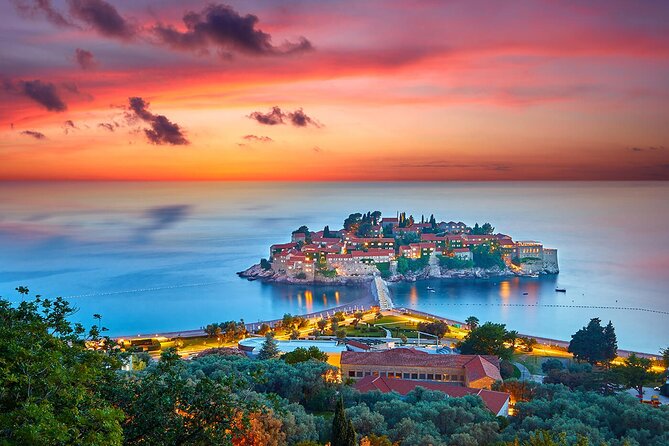
On the way to Albania, you stop near a viewpoint for Sveti Stefan. Historically a fishing town on a small island, it now functions as an exclusive residential resort, so access to the island is not part of the stop. Still, even from shore level, the views are strong and very photogenic.
If you like scenic breaks, this day hits the sweet spot. The pacing is still tour-tight, but it doesn’t feel like you’re sprinting between cities the whole time.
- Northern Serbia: Sremski Karlovci and Novi Sad Full-Day Tour from Belgrade
★ 5.0 · 425 reviews - Day Trip from Belgrade: Gems of Eastern Serbia
★ 5.0 · 424 reviews - Belgrade Nightlife Bar Pub Club Crawl with Drinks
★ 5.0 · 277 reviews
Kosovo and Albania: Prizren’s Bridges and the Slow-Food Farm Break

Kosovo’s Prizren is where the tour leans into culture and craft, not just landmarks. You’ll arrive with time to walk through a town known as the cultural capital of Kosovo, with a river cutting through the heart of the old town and bridges connecting parts of the city. If you visit around August, the Dokufest short film festival is mentioned as a major event, but even outside festival season, the old streets and mixed influences are the point.
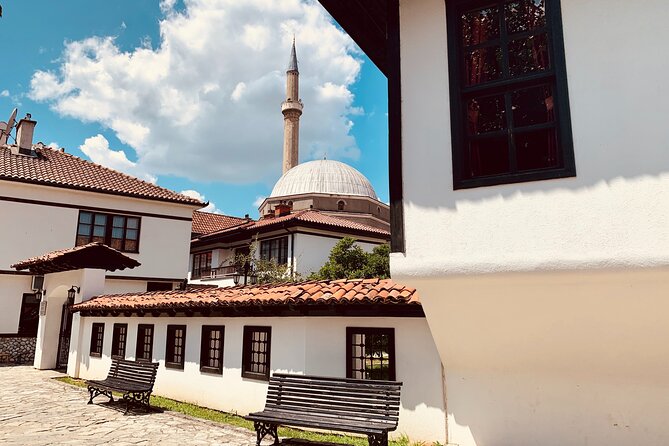
Two stops make the Prizren experience feel complete. Sinan Pasha Mosque is a major moment, with arabesque patterns and color that are best seen in person rather than in photos. Then you climb up toward Kalaja Fortress for a hilltop panorama over the town, which gives you the “map in your head” feeling, the kind you want for later neighborhoods.
From there you move to Gjakova, known for its historic bazaar. It was destroyed in several conflicts but rebuilt to its old state, and the rebuilt market area offers both food and craft shopping. You then continue toward Decan Monastery, a UNESCO site, where Orthodox monks still inhabit the monastery and produce organic foods like cheeses. The frescoes from the 14th century are a key reason for UNESCO status, so this stop rewards your attention.
Rahovec adds a completely different angle. The valley is tied to viticulture with grape cultivation traced back to Illyrian times, and you’ll hear about the region producing high quality wines. There’s also an annual September wine festival mentioned, so if timing lines up, you might catch local celebrations.
Then Albania flips the pace to food and agriculture with Mrizi i Zanave, a slow-food agrotourism stop. You tour the farm, learn how it supported jobs for hundreds of people in the area, and see how regional bio products are collected, preserved, and packaged. There’s also time for traditional lunch or you can buy fresh produce, which is one of the few chances on the whole trip to eat in a setting built around local food systems.
My take: the Kosovo and northern Albania mix is one of the best “value per hour” parts of the tour. You get history, architecture, and food, and it doesn’t feel like a checklist.
Tirana the Smart Way: Byrek, Coffee Culture, and BUNKART
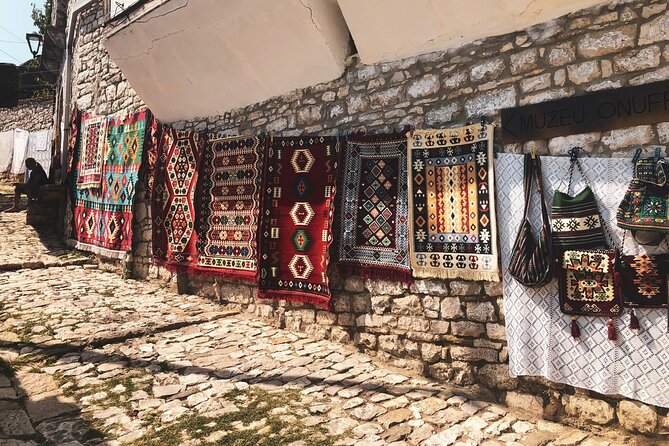
Tirana is where you shift from “old towns” into daily life. The day includes a local companion experience, so you’re not just walking past big sights, you’re actually trying foods and learning how locals move through neighborhoods. The morning starts with Byrek breakfast at a smaller spot locals know how to find, and you also get a stop at Tregu Çam, a bazaar linked to the Çam community background.
I like this approach because it makes Tirana feel like a living city. Later you’ll explore Pazari i Ri, including the bicycle bazaar concept where you can find secondhand items like clothes and furniture. Then comes New Bazaar for lunch, with qofte grilled meatballs for non-vegetarians and bread with Albanian gjize for vegetarians. You also taste Albanian raki, which rounds out the food focus.
The last stop, BUNKART 2, is the history counterweight. It’s a former nuclear bunker tied to the communist leader Enver Hoxha era, and it was converted into a museum project in 2014. Expect video-based exhibits covering the communist army history and the daily lives of Albanians under the regime.
Practical tip: BUNKART 2 will likely involve indoor walking and reading-based displays, so bring patience if you like details, and bring a charged phone if you like to capture your favorite points for later.
Ohrid and St. Naum: UNESCO by the Lake, Then Back to Nature
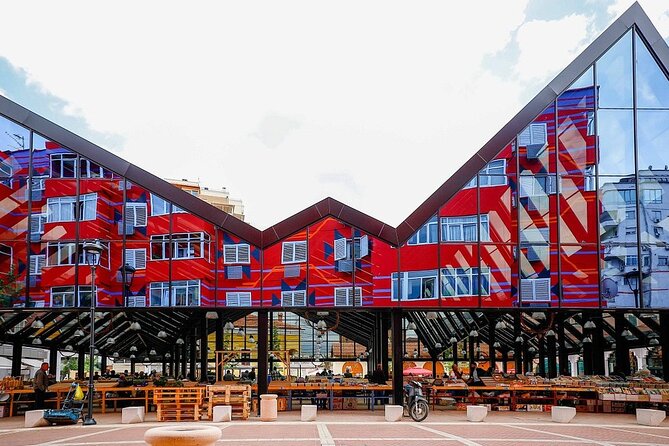
North Macedonia enters with Struga, where you start with a quick drink near the source of the Drini River. It’s short, but it’s a good palate cleanser before Ohrid. Then you drive to Ohrid, another UNESCO World Heritage site, and one of the most scenic cities on the whole route.
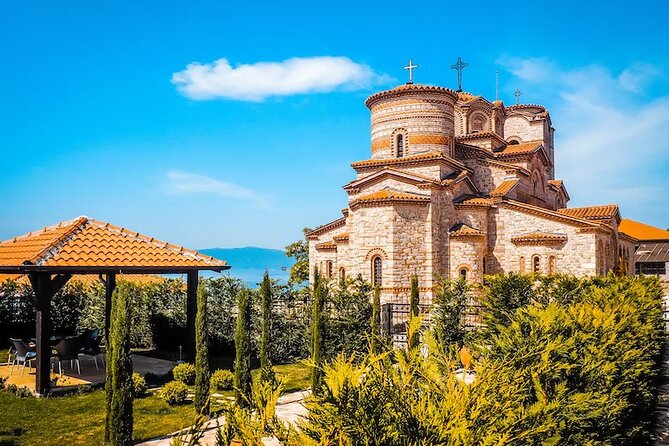
Ohrid is introduced as one of the oldest human settlements in Europe, with UNESCO recognition for both the city and the lake. You’ll visit key religious and historic sites, including the viewpoint at the church of St. John, the church of St. Nicolas, and the Halveti Hayati Tekke mosque.
The follow-up day is all about St. Naum monastery and the natural feel of Lake Ohrid. St. Naum sits at the source area of River Crni Drim, and it’s part of the National Park Galicica. The description of crystal-clear spring water and mountain reflections is exactly the kind of place where you slow down and just look.
There’s also time to stop at Tushemisht and then Drilon National Park. Drilon’s springs form a small lake with greenery around it, and weeping willow trees by the shoreline create a calm scene to relax for a bit. This pair of nature stops is helpful when the earlier days feel so structured.
If you care about variety, this section gives you “UNESCO indoors and UNESCO outdoors” without repeating the same type of sight.
Berat and Gjirokaster: The 1001 Windows and the Stone City Feeling
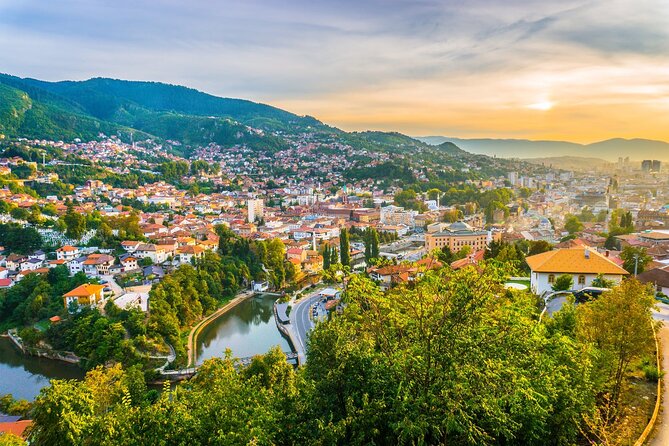
Berat, known as the town of 1001 windows, is another UNESCO highlight where the visual effect is the whole story. You’ll walk through narrowed stone streets and see medieval houses stacked on steep hillsides, with windows catching light across different layers. The area has a long timeline, moving from Illyrian settlement into castle-city life, and today residents still live inside the walls.
You also visit Berat Castle and the National Iconographic Museum Onufri. The museum stop is tied to Onufri, a painter known for a specific reddish color used in church art across the Balkans. You’ll then visit Gorica Bridge and the Gorica neighborhood to finish the day with a view-based, neighborhood-level perspective.
The next stop is Gjirokaster, called the Stone City and also UNESCO World Heritage. Gjirokastra looks like a fortress town, with houses shaped as small fortresses. You’ll start with the history around the castle, built in IV century A.D., and then move into the old bazaars area for handmade crafts and atmospheric medieval streets.
I like this pairing of Berat and Gjirokaster because it shows different sides of the same regional style. Berat gives you the layered windows picture, and Gjirokaster gives you the defensive stone-tower feeling. Both reward slow walking and noticing details.
Greece Grand Finale: Ioannina Castle and Meteora Sunset
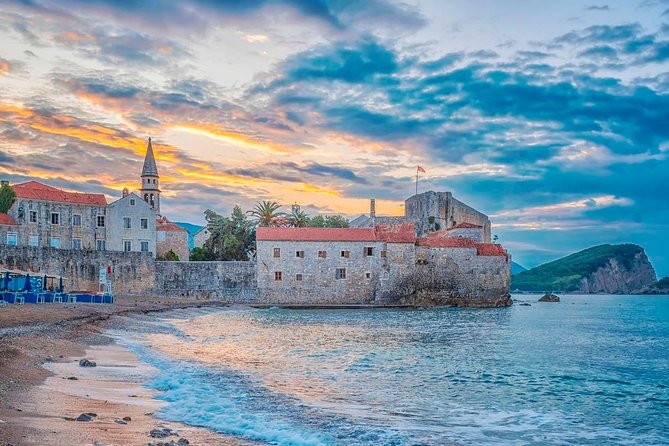
The final travel day heads toward Ioannina first, known for Byzantine and Ottoman era remains. You’ll wander cobbled old-town streets where the castle, with Byzantine roots, rises above the area. Inside the castle walls, narrow winding streets and historic buildings give you that maze-like effect again, this time with cafes and places to pause.
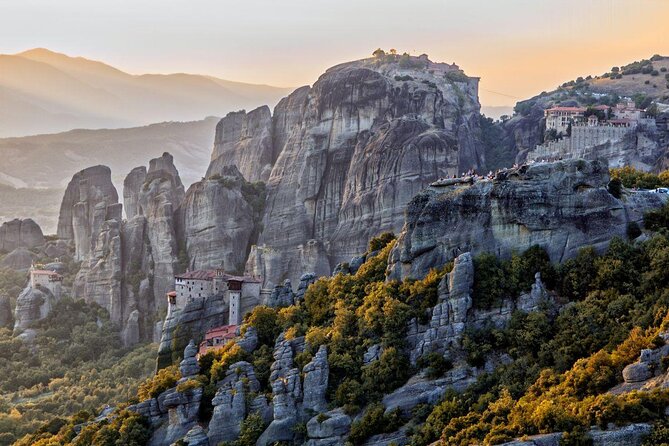
Then you drive to Meteora, UNESCO World Heritage with monasteries perched on rock formations, built around the 14th and 15th centuries. The schedule emphasizes the timing for one of the best sunsets you’ll see on the whole trip, with the sky changing as the sun drops.
This day is the kind that justifies all the driving. It’s not about museum facts as much as it is about scale and light. If you’ve been photographing constantly earlier in the trip, use Meteora to step back, look, and let your senses do the work for a minute.
Price and Logistics: Does It Feel Like Good Value?
This costs $4,833.96 per person for about 14 days, and the value hinges on what’s included. You get 3-star hotels with breakfast, a professional guide, transport provided by the company, and hotel pickup in Belgrade plus hotel drop-off at the end of the trip. Entrance tickets for the sites that are visited are also included, along with tourist taxes. Ferry tickets to Corfu are included if you finish at Igoumenitsa.
The biggest “not included” category is meals. Lunches and dinners, drinks, and snacks are on you, so you should budget for daily food costs. That sounds minor, but over two weeks it becomes noticeable, especially if you want to try dishes in each city.
Also, the physical reality matters. Sarajevo involves uneven terrain, and the old towns in Mostar, Kotor, Ohrid areas, and the Albanian historic centers mean you’ll walk cobblestones and stairs. If you dislike walking, you’ll feel the pace.
Where the money feels best spent is on the combination: you’re covering seven countries with UNESCO sites, war context in Sarajevo, and food-based stops without having to stitch together all the legs yourself.
Should You Book This Belgrade to Athens or Corfu Tour?
I’d book it if you want a road-trip style Balkan experience with a guide, a small group (max 10), and a clear plan that hits major places plus some meaningful side stops. It’s also a good choice if you care about food, because Byrek, coffee culture in Tirana, and the slow-food farm stop give you more than just monuments.
I wouldn’t book it if you’re chasing a relaxed, sleep-in vacation. This itinerary is active, and you’ll do a lot of walking and border-crossing days. Also, plan around meals being mostly your responsibility, so set a food budget before you go.
If your style is “show me what makes each place tick” and you’re okay with a packed schedule, this one makes sense.
FAQ
How many travelers are on this small group tour?
The maximum group size is 10 travelers.
What time does the tour start, and where do you meet?
The start time is 8:00 am, and you also get hotel pickup in Belgrade.
Are hotels and breakfast included?
Yes. You get BB (accommodation and breakfast) in 3-star hotels for all overnights, plus breakfast is included for 13 days.
Are entrance tickets included for the sights on the route?
Yes. Entry tickets for the sites that are visited are included.
Are lunch and dinner included?
No. Lunches, dinners, drinks, and snacks are not included.
Do I finish in Athens or Corfu?
You finish with either a hotel drop-off in Athens or a drop-off at Igoumenitsa Port with ferry tickets included to Corfu.
What happens if I cancel?
The experience is non-refundable and cannot be changed for any reason. If you cancel, the amount you paid will not be refunded.
The Rest of the Serbian Shortlist
Everything We Have Reviewed in Serbia
Over the Border for the Day
Just Reviewed in Serbia
- Private Half Day Serbia Tour Novi Sad and Petrovaradin Fortress★ 5.0 · 3 reviews
- Private Wine Tasting by Party in Belgrade★ 5.0 · 3 reviews
- Belgrade: The White Emigration in Serbia in the Wake of the Russian Revolution★ 5.0 · 3 reviews
- Zica and Studenica monastery From Belgrade★ 5.0 · 3 reviews
- Feel Belgrade Welcome tour★ 4.5 · 3 reviews
Cross-Border Trips from Belgrade, side by side.
 ★ 4.7From Belgrade: Private Day Trip to RomaniaFrom $22223 reviews
 ★ 5.0Private Day Trip to Timisoara from BelgradeFrom $22622 reviews
 ★ 5.0Private Day Trip To Budapest From BelgradeFrom $31811 reviews
 ★ 5.0Small Group Tour; Belgrade to Tirana 5 Balkan Countries in 8 DaysFrom $2,7548 reviews
 ★ 5.0Private Transfer Belgrade to SarajevoFrom $3337 reviews
 ★ 5.0Private Day Trip/Transfer Tour from Belgrade to TimisoaraFrom $2105 reviews
Also on these Serbia lists