
REVIEW · SERBIA
History and Culture in my Belgrade
Belgrade’s past is walkable. In about three hours, this small-group route strings together Serbia’s big turning points with streets you can still feel today, from St. Mark’s Church to the scars left on RTS after the 1999 bombing. I like that the group stays tight, so Marija can answer your questions without the usual rush.
I also love the hands-on side: you get a traditional tasting in Čumićevo sokače, with rakija and other local favorites, not just photo stops. And for a day that covers a lot of landmarks, the listed entrances are free, which makes the $90.11 price feel more honest than many “highlights” tours.
One thing to keep in mind: it’s a lot of ground in a short window. If you prefer slow wandering and long museum time, the pace may feel brisk, since each stop is timed.
In This Review
- Key highlights worth booking
- A half-day Belgrade history loop that actually makes sense
- St. Mark Orthodox Church, the medieval story inside the calm
- RTS and the 1990s, wartime scars told with real context
- Tasmajdan Park’s mysteries, plus a breather before the city gets loud
- The National Assembly building, protests, and a Game of Thrones connection
- Nikola Pašić Square, the fountain, and Belgrade youth culture
- A Historic Hotels Worldwide stop, then straight into a tasting street
- Republic Square, the pedestrian zone, and the everyday rhythm of Belgrade
- University of Belgrade and students’ spaces that shape the city
- Dorćol graffiti and the stories behind a lived-in neighborhood
- Bayrakli Mosque (Bajrakli džamija), Ottoman influence across nearly five centuries
- Znak Pitanja and an older kafana style you can recognize
- Kosančićev Venac cobblestones, Orthodox corners, and a strong viewpoint
- What you are really paying for, and why $90.11 can be fair
- Who should book this Belgrade history and culture tour
- Should you book it
- FAQ
- How long is the tour?
- How much does the tour cost?
- What group size should I expect?
- Is the tour offered in English?
- What are some of the stops included?
- Do you include a food tasting?
- Can I get a full refund if I cancel?
Key highlights worth booking
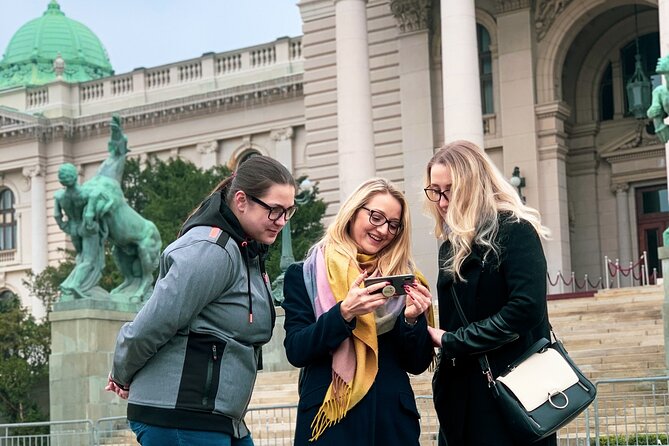
- Max six people on a half-day overview, plus lots of time for questions
- St. Mark Orthodox Church paired with Serbian medieval history and cultural customs
- RTS (Radio Television of Serbia) and the 1999 bombing impact, explained in context
- Tasmajdan Park with its mysteries and underground passage stories
- Čumićevo sokače tasting with rakija, wine, juice, jam, slatko, and honey
- Bayrakli mosque, Znak Pitanja, and Kosančićev Venac for Ottoman influence and old Belgrade texture
Serbia explained a few other ways
A half-day Belgrade history loop that actually makes sense
Belgrade can feel like it is switching time periods every few blocks. This tour solves that with a tight storyline. You start with Orthodox roots, move into the modern era and wartime memories, then swing into Ottoman echoes, student life, and the old restaurant corners that still shape everyday culture.
What I like most is that the stops are chosen for how they connect. It is not just “here is a church, bye.” You get the background for what you are looking at, then you move on before your brain overloads. And because it is English-speaking with a small group, the pace stays friendly instead of turning into a lecture you cannot follow.
There are also three convenient start times, so you can pick one that fits your day. That matters in Belgrade, because your afternoon plans can get crowded fast once you discover how good the cafés are.
St. Mark Orthodox Church, the medieval story inside the calm
St. Mark Orthodox Church is the big “first impression” stop, and it sets the tone. You meet in front of the church, then go inside with guidance on key historical events in Serbia. You also get a simple, practical walkthrough of Serbian Orthodox customs, so the religious space feels less like a black box.
One of the most memorable parts is that the tour points out remains connected to a major medieval Serbian ruler. That turns the building from an impressive facade into a living link to a much older chapter of the Balkans. You also get a moment to slow down and absorb the peaceful atmosphere rather than treating the church like a quick photo sprint.
Practical note: churches mean quieter behavior and respectful attention, even if the group is small and the guide is upbeat. If you like places where you can stand and actually look, this stop delivers.
RTS and the 1990s, wartime scars told with real context
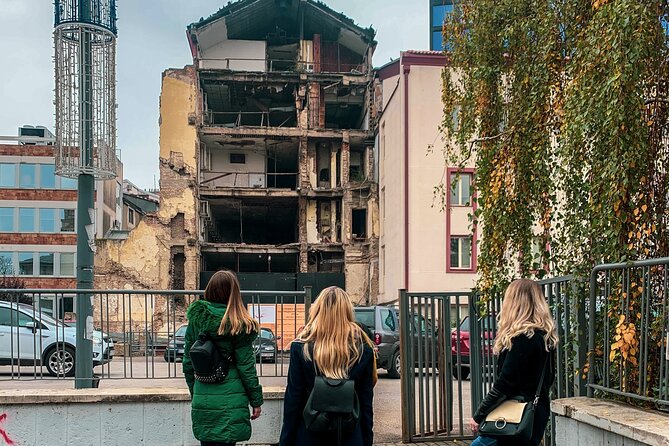
Next comes RTS, Radio Television of Serbia. The focus here is on what the 1999 bombing damaged and what those events changed. You will see buildings destroyed during the bombing and hear the tragic stories connected to that era, but the explanation stays grounded in how the country moved from the 90s into today.
This is where the tour becomes more than “pretty sights.” The guide talks about Yugoslavia, Serbia’s economy, and contemporary life, so you understand why Belgrade feels the way it does now, not just how it used to look. If you want to travel with your eyes open, this stop gives you that edge.
If you are sensitive to war topics, it is still worth knowing ahead of time that the tour includes this subject matter. The good news is that it is framed historically and culturally, not sensational.
Deeper into the Serbian past
- NATO Bombing of Belgrade Historical Tour
★ 5.0 · 17 reviews - Football tour: Red Star and Partizan Ultras History
★ 5.0 · 14 reviews - Tito and History Vintage Car Tour
★ 5.0 · 11 reviews
Tasmajdan Park’s mysteries, plus a breather before the city gets loud
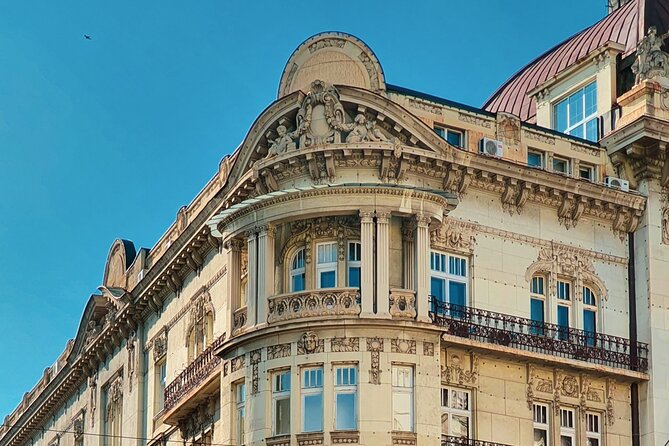
Tasmajdan Park is your reset. It is a relaxing green break, and the guide shares why locals talk about it in terms of mysteries and underground passages.
Even if you do not buy into every story (and you do not have to), it is a fun way to learn Belgrade’s habit of layering folklore onto real places. This stop also gives your legs a chance to recover before you hit the more political and iconic buildings.
If you are traveling in warmer months, parks are helpful. In colder months, it still works because you are not expected to linger for hours. You get the idea and the atmosphere, then you move on.
The National Assembly building, protests, and a Game of Thrones connection
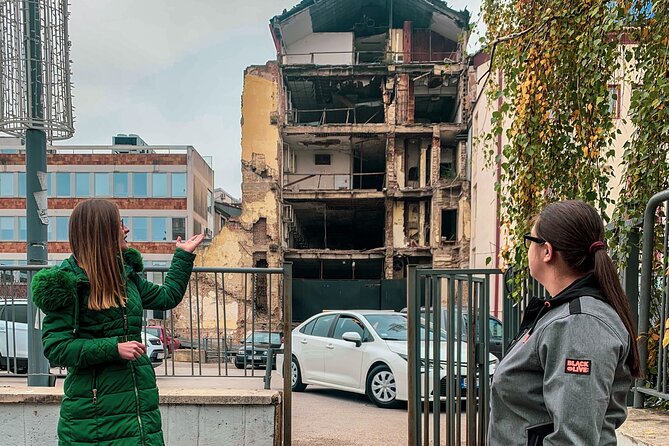
When you reach the House of the National Assembly of the Republic of Serbia, the tone shifts again. You will hear why the building is famous for a Game of Thrones link, then you will get the background of major protests that happened here.
That combination is actually useful. Pop culture references can pull you in, but protests are what explain the energy behind the headlines. The guide connects the architecture to the political story so you understand why this monumental place matters beyond aesthetics.
This is a short stop, so do not expect deep museum-style detail. Instead, think of it as a way to recognize the location during your later wandering, when you might hear people reference it or when photos make more sense after you know the context.
Nikola Pašić Square, the fountain, and Belgrade youth culture
Nikola Pašić Square is described as the youngest square in the city. That age theme helps you see it differently, not as an ancient relic but as a place that reflects more modern Belgrade habits.
You also get to see a fountain tied to some crazy contemporary customs of youngsters in Belgrade. The timing is brief, but it adds a needed dose of present-day culture in between the heavier historical stops.
If you are the kind of traveler who enjoys watching how people use public space, this is a quick but fun moment. It keeps the tour from becoming only serious history.
A Historic Hotels Worldwide stop, then straight into a tasting street
At one point you will see the only hotel in Serbia that is listed as part of Historic Hotels Worldwide. The tour uses that stop as a bridge, helping you see how history also shows up in hospitality and city identity, not only in monuments.
Then you hit Čumićevo sokače in the Belgrade design district, which is where the tour becomes genuinely hands-on. This is your traditional Serbian products tasting in a small local store, the kind of place you might miss if you were walking solo.
The tasting itself is built for variety, so you do not just sample one thing and move on. You will try domestic rakija and wine, plus natural juices, jam, slatko, and honey. You also learn old customs, traditions, and Serbian hospitality, including how Serbs say cheers.
If you like your cultural tours with taste, this is the payoff section.
Republic Square, the pedestrian zone, and the everyday rhythm of Belgrade
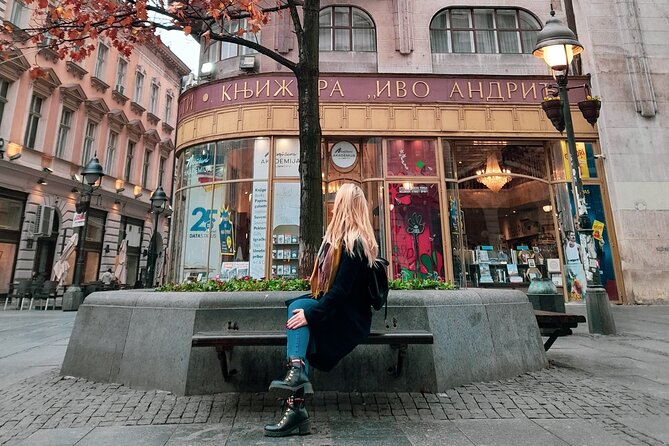
From the tasting area, you head to Republic Square, where you get a feel for the city’s pace and crowd energy. This is one of those places where the guide does not just point and move. You learn why it is the most famous square and you take in the atmosphere before the tour keeps going.
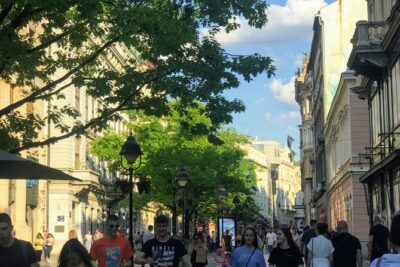
Then you cross the main pedestrian zone, a stretch known for live street musicians and cozy cafés. That matters because Belgrade’s social life lives in the small moments. If you want ideas for where to sit later, this is when you start forming those plans.
If your trip includes evenings out, this stop helps you understand the city’s rhythm earlier in the day. You start to see what kind of night you might want.
University of Belgrade and students’ spaces that shape the city
University of Belgrade comes next, with a look at Students’ Square and the park. Here the talk shifts toward education in Serbia, and you get a sense of how youth and institutions shape daily life, not just politics or wars.
This stop is short, but it gives a different angle on the city. Belgrade is often described in big historic terms, but the tour balances that by showing how learning and young energy still influence what you see on the streets.
Dorćol graffiti and the stories behind a lived-in neighborhood
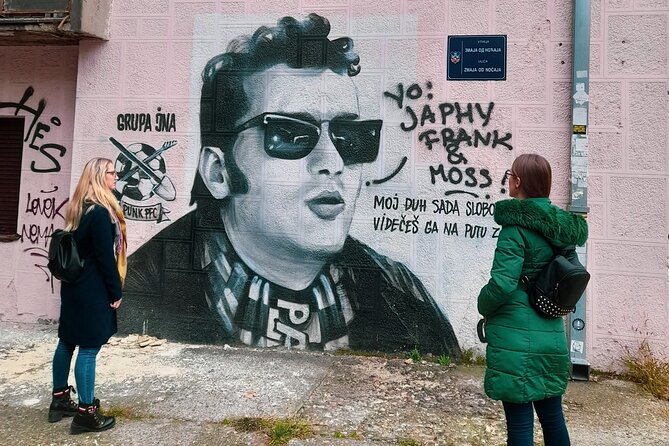
Dorcol is where Belgrade starts to look like a modern creative city without losing its older edges. You walk through the neighborhood with unique graffiti, then listen to intriguing stories from the past.
This is one of those stops that works especially well if you like walking without a rigid agenda. The guide gives you context, and the street art gives you something to notice while you listen. You leave with a better sense of how residents interpret their own history in public.
Bayrakli Mosque (Bajrakli džamija), Ottoman influence across nearly five centuries
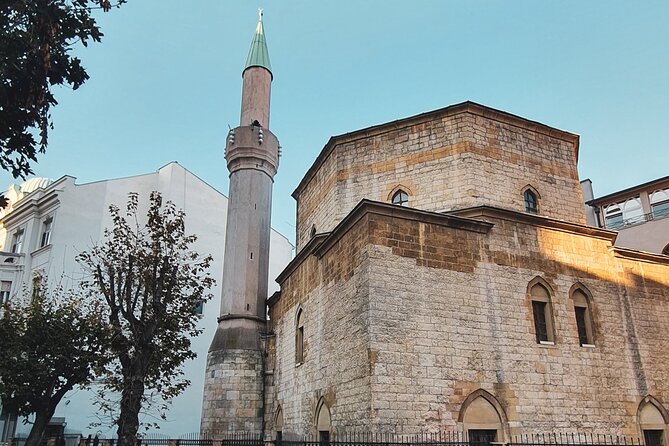
Bayrakli Mosque is a must-see stop on this kind of tour, mainly because it is described as the only preserved mosque in Belgrade from the 273 that existed in the past. That line alone gives you scale, and the guide uses it to talk about almost five centuries of Ottoman influence in Serbia.
You also get practical context to understand why certain architectural and cultural elements stuck around, even when the political map changed. This is not just “look at the mosque.” It is “here is how long it took for influences to fade, and what survived.”
The tour is careful with time at each stop, so if you want a deeper architectural dive, you might want to add extra independent time afterward. But for a half-day overview, it hits the key meaning points.
Znak Pitanja and an older kafana style you can recognize
At Znak Pitanja, the tour checks out the architecture of what is described as the oldest kafana in Belgrade. A kafana is more than a restaurant. It is a social institution, a place where news, debate, and everyday life overlap.
This stop works well because it trains your eye. After you see this, other old-style eateries around town might start to feel less random. You start to recognize what makes Belgrade’s traditional dining culture distinct.
Kosančićev Venac cobblestones, Orthodox corners, and a strong viewpoint
The tour ends at Kosančićev Venac, one of Belgrade’s oldest areas, where you stroll cobblestoned streets and admire cultural heritage. You also see an Orthodox church along the way, then head toward a viewpoint.
From that viewpoint, you get a panorama of New Belgrade, the Sava River, and traditional Serbian splavs. This is where the tour’s earlier timeline clicks into place. You see the present city shape, then you remember the tour stories about how Belgrade changed and why.
The guide also talks about contrasts between past and present times and cultural influences, which helps you make sense of what your eyes will keep noticing after the tour ends.
What you are really paying for, and why $90.11 can be fair
At $90.11 per person for roughly three hours, the value depends on what you want from a city tour. This one is strongest if you want a guided storyline plus a cultural tasting, not just sightseeing.
Here is why it can feel worth it:
- Small group feel with up to six people helps keep questions and pacing comfortable.
- Included tasting adds real value, because you are sampling multiple items, including rakija and slatko, not just one bite.
- Free entry is listed for the stops, which matters when you compare it to tours that quietly add paid admissions later.
- Mobile ticket and multiple start times make it easier to fit into your schedule.
If you are the type who hates rushed tours, the half-day structure might be a tradeoff. But the general feedback highlights that the guide keeps things at a pleasant pace and links difficult history to plain, understandable explanations.
Who should book this Belgrade history and culture tour
I think this tour is a great fit if:
- You are visiting Belgrade for the first time and want the big landmarks with real context.
- You enjoy history that connects to daily life, including modern culture and not only ancient monuments.
- You want a guided walk plus an actual food experience, not a separate activity later.
It might be less ideal if:
- You prefer long, quiet stops and deep museum time.
- You want a strictly “architectural photo tour” with no political or wartime context.
Should you book it
Book it if your goal is to get your bearings fast and build a meaningful route for the rest of your trip. The itinerary mixes Orthodox, Ottoman-era influences, wartime memory, and student life, and it ends with a viewpoint that makes the city feel readable.
If you already know you will spend most of your time in cafés and along the river, this tour still helps, because it explains why certain places became social centers and how the city’s past shows up in what people do today.
Do not overthink it. If you want a guided half-day that leaves you with stories you can repeat later, this is a solid choice.
FAQ
How long is the tour?
The tour is about 3 hours long.
How much does the tour cost?
The price is $90.11 per person.
What group size should I expect?
The tour highlights a maximum of six people. The activity is also listed with a maximum of 15 travelers.
Is the tour offered in English?
Yes, it is offered in English.
What are some of the stops included?
You will see St. Mark Orthodox Church, RTS (Radio Television of Serbia), Tasmajdan Park, the House of the National Assembly, Nikola Pašić Square, Čumićevo sokače for tasting, Republic Square, University of Belgrade, Dorcol, Bayraklee Mosque (Bajrakli dzamija), Znak Pitanja, and Kosančićev Venac.
Do you include a food tasting?
Yes. At Čumićevo sokače you taste traditional Serbian products, including rakija, wine, natural juices, jam, slatko, and honey.
Can I get a full refund if I cancel?
Yes. You can cancel up to 24 hours in advance for a full refund.
Serbia, Century by Century
Everything We Have Reviewed in Serbia
Serbia, Explained Again
Just Reviewed in Serbia
- Private Half Day Serbia Tour Novi Sad and Petrovaradin Fortress★ 5.0 · 3 reviews
- Private Wine Tasting by Party in Belgrade★ 5.0 · 3 reviews
- Belgrade: The White Emigration in Serbia in the Wake of the Russian Revolution★ 5.0 · 3 reviews
- Zica and Studenica monastery From Belgrade★ 5.0 · 3 reviews
- Feel Belgrade Welcome tour★ 4.5 · 3 reviews
Serbian History & Culture Tours, side by side.
 ★ 5.0Feel SerbiaFrom $1309 reviews
 ★ 5.0Romantic history tour of BelgradeFrom $428 reviews
 ★ 4.5Feel Belgrade Welcome tourFrom $323 reviews
 ★ 5.0The White Emigration in Serbia in the Wake of the Russian RevolutionFrom $1733 reviews
Also on these Serbia lists