
REVIEW · HISTORICAL TOURS
Football tour: Red Star and Partizan Ultras History
Football rivalries tell you a city’s mood fast. This one uses Belgrade’s ultras culture as the map, linking neighborhoods, graffiti, and two major stadiums in a tight 3 to 4 hour loop. I especially loved how the walk turns club support into real street-level context, and how you get into the stadium side too, not just outside photos.
The other big win is the guides. On recent tours I saw names like Andrija and Tihomir mentioned for sharing clear, grounded stories about the culture around both clubs. One thing to consider: this is weather-dependent, so if the day is cold or rainy, you may need to plan for rescheduling.
In This Review
- Key Takeaways Before You Go
- Rival Football Makes Belgrade Make Sense
- Meeting at Studentski trg, Then Getting Organized Fast
- Dorcol: Where Partizan Fandom Meets the Street
- Senjak: Red Star’s Older Graffiti and 24/7 Fan Protection
- Marakana Stadium and the Museum Stop People Remember
- Partizan Stadium: A Pitch Walk That Feels Real
- Guides Like Andrija and Tihomir Make the Stories Stick
- Price and Value: When $84.21 Actually Adds Up
- Who This Tour Fits Best (and Who Might Skip It)
- Should You Book This Red Star and Partizan Ultras Tour?
- FAQ
- How long is the football tour?
- What is the meeting point and start time?
- Is the tour offered in English?
- What admissions are included or free during the stops?
- Is there a limit on group size?
- What is the cancellation policy if the weather is bad?
Key Takeaways Before You Go
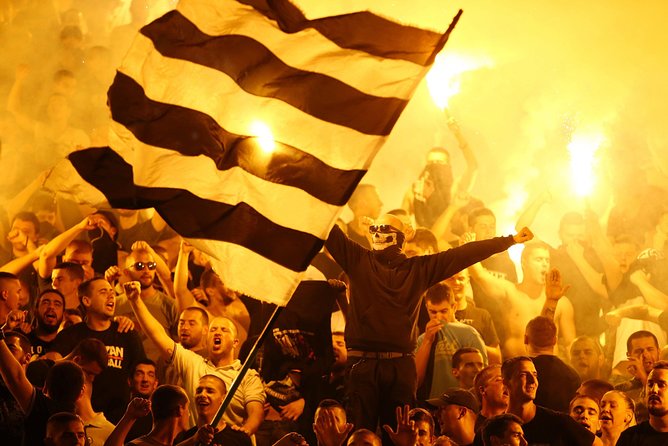
- Ultra-focused neighborhoods: Dorcol for Partizan fandom and Senjak for Red Star, both seen on foot.
- Graffiti with a timeline: you get older and newer fan art landmarks, including Senjak’s oldest mural from the 90s.
- Marakana stadium museum stop: trophies, flags, documents, and the Champions League Trophy from 1991.
- Beer inside a stadium: a simple perk that makes the experience feel more like being in the culture than just reading about it.
- Partizan Stadium pitch walk: an included moment that takes you closer than most sightseeing tours.
Deeper into the Serbian past
Rival Football Makes Belgrade Make Sense
Belgrade can feel layered, and this tour helps you read those layers through football. You’re not just visiting big sights. You’re walking with fan geography in your head: where supporters cluster, where murals signal identity, and how stadiums shape the city around them.
I like that it keeps moving. The pace is active, but it’s not a power hike. It’s built around short, well-defined stops, then a couple bigger stadium segments where you can slow down and actually look.
This is also a good way to understand that Serbian football isn’t only about matches. It spills into neighborhoods, nightlife areas, and public art. If you like sports culture as a lens, you’ll get a lot more out of it than a basic stadium-and-photo routine.
Meeting at Studentski trg, Then Getting Organized Fast
The tour meets at Studentski trg 16 (Student Park area) at 10:00 am, and it ends back where it started. That matters more than you’d think. You avoid awkward “how do I get back” math, and you can plan your afternoon with less stress.
It also runs in small-to-medium group format, with a maximum of 99 people. That means it should feel guided and structured, even if it’s not just you and a guide. You’ll also get a mobile ticket, so have your phone charged and ready.
The typical time window is 3 to 4 hours. That’s long enough for two stadium stops and multiple neighborhood walks, but short enough that you can still tack on dinner plans after. Most importantly, this isn’t a half-day where you’re thinking about when you can sit down again.
Dorcol: Where Partizan Fandom Meets the Street
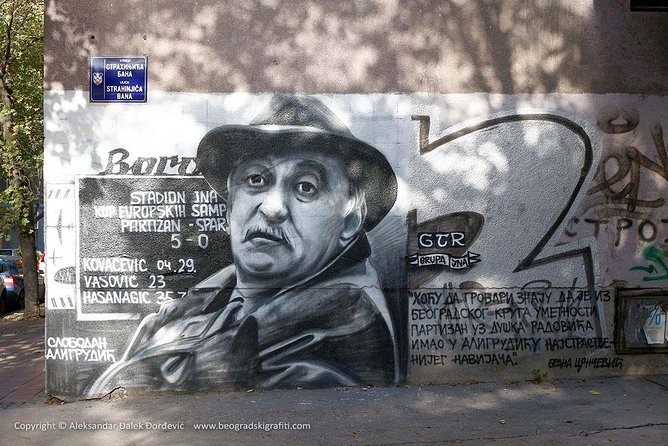
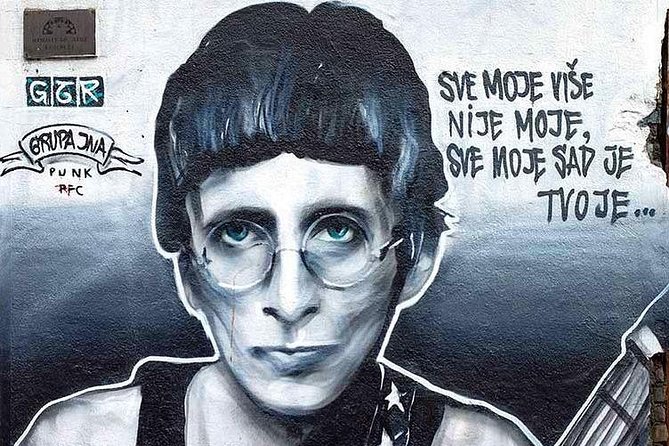
Stop one is Dorcol, a neighborhood often associated with Partizan supporters. This is the point in the day where Belgrade starts to look like a football map. You’ll walk through an area linked to some of the most famous graffiti connected to the club and its fiercest fan groups.
What I like about Dorcol as a first stop is the mix. It’s both a supporter district and a neighborhood that has tourist-friendly energy, including bars and pubs. So you’re not only seeing fan art, you’re also getting a sense of the everyday rhythm around it.
The stop length is about 1 hour, and there’s no admission ticket required here. That makes it a good warm-up. You get oriented, learn the story behind what you’re seeing, then you’re ready for the next neighborhood without feeling rushed.
Potential drawback: murals and street scenes depend on visibility and walkability. If your day is limited by rain or strong wind, you might prefer sturdier footwear and a light layer you can keep on.
- Northern Serbia: Sremski Karlovci and Novi Sad Full-Day Tour from Belgrade
★ 5.0 · 425 reviews - Day Trip from Belgrade: Gems of Eastern Serbia
★ 5.0 · 424 reviews - Belgrade Nightlife Bar Pub Club Crawl with Drinks
★ 5.0 · 277 reviews
Senjak: Red Star’s Older Graffiti and 24/7 Fan Protection
Next is Senjak, another fan district, this time tied to Red Star. The highlight here is older graffiti in the area, including the city’s oldest graffiti linked to the club from the 90s. The details matter: you’re not seeing a random wall of paint, you’re seeing a documented era.
The tour description also notes that the graffiti is guarded by fans 24/7. That’s the kind of detail that makes this more than a scenic walk. It signals that this isn’t just artwork someone happened to put up. It’s defended identity, cared for by the people who live the rivalry.
Senjak is a shorter stop, around 20 minutes, with no admission ticket required. That means you’ll see the key landmark areas and move on. It’s efficient, and it keeps the day from dragging.
My advice: treat this stop like a quick lesson in context. If you’re the kind of person who likes to notice tiny visual cues, spend a little extra time here, even if the group is moving fast.
Marakana Stadium and the Museum Stop People Remember
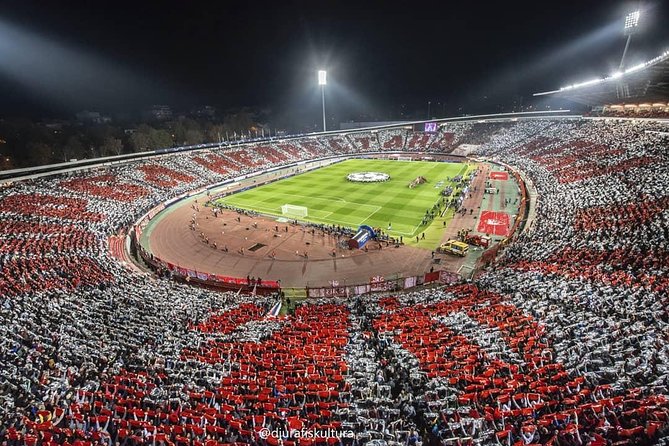
Now you get to the heart of it: Red Star Belgrade Stadium, often called Marakana. This is one of those places where being outside is cool, but being inside changes the story.
The museum is located in the stadium complex, and one ticket covers both the museum visit and the stadium experience. The museum stop is listed as 2 hours, and that time is important because you’re not just rushing through. You’re looking at trophies, flags, club documents, and the standout piece: the Champions League Trophy from 1991.
The description adds a specific comparison: it’s the only Eastern European club along with Steaua Bucharest that has this trophy in its trophy room. You don’t need to be a football historian to appreciate why that’s a big deal. It’s a physical reminder of scale, not just local pride.
There’s also a beer perk mentioned in the highlights: you get a chance to sip a beer inside one team’s stadium. That small moment can make the museum feel less like a lecture and more like an experience.
What could be tricky: museum time can feel slower if you’re only here for the stadium exterior vibe. If you love objects and records, you’ll enjoy it. If you’re more into motion, linger just long enough to grab the trophy story, then focus on the stadium side.
Partizan Stadium: A Pitch Walk That Feels Real
Finally, you head to Partizan Stadium. This stop is about 30 minutes, and the admission is included. The best detail here is simple and powerful: you can walk down the pitch.
That’s a different feeling than looking at a stadium from behind a fence. Standing where players stand, even briefly, makes the scale click. The tour also frames this stadium as one of the last remaining ghetto stadiums in Europe. That phrase is loaded, but the intent is clear: you’re seeing a ground that still carries a gritty, real-community atmosphere rather than a sterile modern bowl.
You’ll also get views of the city from the stadium area. Even if you’ve been in Belgrade before, views like that help connect football to the physical layout of the city.
One more practical note from real tour experiences: on at least one version of the tour, guests were able to go on the pitch at the stadiums and view conference rooms. That suggests access can depend on timing and how the day flows. Don’t count on it, but it’s worth paying attention if your guide mentions extra interior options.
Guides Like Andrija and Tihomir Make the Stories Stick
This tour lives or dies by the guide, and the reviews are loud about that. People cite guides like Andrija and Tihomir for turning football rivalry into something you can picture.
Andrija is mentioned as taking guests around Belgrade murals tied to players and then walking them through what Red Star and Partizan represent. He’s also described as helping guests line up plans to watch a Red Star game later that day, and even sharing interest beyond football, like joining a basketball game the next day. That’s a level of hospitality you don’t get from a “follow me to the next photo spot” guide.
Tihomir is highlighted for professional, organized storytelling and deep context on the ultras side of the history. The common thread is that the guides don’t treat this as trivia. They treat it like culture.
So here’s what I’d do if you want the most out of it: ask your guide what you’re looking at before you lift your phone. The mural details, the neighborhood placement, and the stadium objects connect, but you need someone to link them.
Price and Value: When $84.21 Actually Adds Up
The price is $84.21 per person for a 3 to 4 hour outing. That might sound “average” until you map it to what’s included.
You’re paying for:
- Several guided neighborhood walks where you learn what the murals and districts mean
- A 2 hour stadium museum visit at Marakana
- A Partizan Stadium stop with admission included
- A beer stop inside a stadium
- Mobile ticket convenience and English-language guiding
On top of that, the neighborhood stops are listed as free of admission, and the Marakana museum is handled with the one ticket covering both stadium and museum elements. When a tour includes museum time plus a pitch walk, the math gets easier to justify.
I also like that you’re booking well in advance on average (around 41 days). That usually signals it’s not a random low-demand niche. It tends to keep quality high because there’s a clear audience.
Big group cap (up to 99) can be a factor. If you hate crowd noise, you might prefer a quieter day or a smaller group tour option. But the structure still makes sense for a first-timer because you’re guided step-by-step.
Who This Tour Fits Best (and Who Might Skip It)
Book this if you like football culture, street art, and how sports rivalries shape daily life. It’s especially good for:
- First-time visitors who want to understand Belgrade beyond monuments
- People who enjoy European football history and fan traditions
- Anyone who finds stadiums more interesting when they come with context
You might skip it if you want pure sightseeing variety, like palaces or museums unrelated to football. This tour is tightly themed, and it stays that way.
Also consider your comfort with walking. This is a neighborhood-to-stadium day with multiple stops. Even though the segments are manageable, it’s still an active morning, starting at 10:00 am.
And remember the weather factor. It requires good weather, and if it’s canceled due to poor conditions, you’ll be offered a different date or a full refund. If your trip is flexible, that’s reassuring.
Should You Book This Red Star and Partizan Ultras Tour?
My take: yes, if football rivalry culture is your kind of travel.
The value is in the combination. You get the fan neighborhoods first, then you get the trophy room and the stadium pitch. That’s a rare mix for a half-day style tour. The guide impact, with names like Andrija and Tihomir popping up in excellent reviews, is another reason to feel confident.
One practical decision rule: if you’re the person who looks at graffiti and wonders what it represents, you’ll enjoy this a lot. If you only want stadium exteriors, you may find the museum pacing a bit slower.
If you want one clear recommendation, here it is: book it early, show up on time at Studentski trg, and ask your guide to explain what you’re seeing before you move on. That’s how you turn a walking tour into a real understanding of Belgrade.
FAQ
How long is the football tour?
The tour lasts about 3 to 4 hours.
What is the meeting point and start time?
It starts at Studentski trg 16, Beograd 11000, Serbia, at 10:00 am. The tour ends back at the meeting point.
Is the tour offered in English?
Yes, the tour is offered in English.
What admissions are included or free during the stops?
Dorcol and Senjak are free (no admission ticket required). At Red Star Belgrade Stadium, the museum is in the stadium with one ticket. At Partizan Stadium, admission is included.
Is there a limit on group size?
Yes. The tour has a maximum of 99 travelers.
What is the cancellation policy if the weather is bad?
You can cancel for a full refund up to 24 hours in advance. The experience requires good weather, and if it is canceled due to poor weather, you’ll be offered a different date or a full refund.
Serbia, Century by Century
The Rest of the Serbian Shortlist
Everything We Have Reviewed in Serbia
Just Reviewed in Serbia
- Private Half Day Serbia Tour Novi Sad and Petrovaradin Fortress★ 5.0 · 3 reviews
- Private Wine Tasting by Party in Belgrade★ 5.0 · 3 reviews
- Belgrade: The White Emigration in Serbia in the Wake of the Russian Revolution★ 5.0 · 3 reviews
- Zica and Studenica monastery From Belgrade★ 5.0 · 3 reviews
- Feel Belgrade Welcome tour★ 4.5 · 3 reviews
Historical Tours, side by side.
 ★ 5.0History and Culture in my BelgradeFrom $9041 reviews
 ★ 5.0NATO Bombing of Belgrade Historical TourFrom $6917 reviews
 ★ 5.0Tito and History Vintage Car TourFrom $14411 reviews
 ★ 5.0Romantic history tour of BelgradeFrom $428 reviews
 ★ 5.0Full-Day Private Royal Heritage Tour to Oplenac With a Winery VisitFrom $5314 reviews
 ★ 5.0Eat Like Tito – Gastro Historical ExperienceFrom $1274 reviews
Also on these Serbia lists