
REVIEW · SERBIA
Traditional Serbian Cooking Class in Belgrade with Locals
Cooking Serbian food in a home feels human. This one pairs a hands-on cooking class in Dragana’s home with a real look at how Belgrade families eat day to day. I especially like how practical it is, you actually make the meal, and you also learn the bread part, not just the main dish.
You’ll get to choose what you cook from classic Serbian favorites like prebranac (baked beans), sarma (stuffed cabbage), or pilav, plus you’ll learn to bake proja or hleb. One consideration: the kitchen is small, so it’s best to keep the group tight, ideally two people per class.
If you add the optional market stop, you’ll start with Dragana’s garden (seasonal, summer months) and then head to the open-air Banjica green market with your host, where you’ll shop the way locals do and learn what to pick.
In This Review
- Key highlights worth planning for
- Serbian cooking at home in Ripanj: what the experience really feels like
- The itinerary, step by step, and what to watch for
- Optional: market tour and seasonal garden time
- Cooking in Dragana’s home: you make the meal, not just taste it
- The dishes you’ll cook, with the classic flavor logic
- What you eat at the end
- Why this is great value for the price
- The cooking skills you’ll actually take home
- Vegetarian, vegan, and allergy planning without stress
- Where the market adds meaning, not just photos
- Logistics that make or break your day
- Who should book this cooking class in Belgrade?
- Should you book Traditional Serbian Cooking in Belgrade with Locals?
- FAQ
- Where does the class take place?
- How long is the experience?
- What dishes will I learn to make?
- Is the market tour included?
- Is hotel pickup included?
- Does the price include the meal and fees?
Key highlights worth planning for
- Private, personalized class in Dragana’s home in Ripanj, with only your group cooking
- Two-dish format so you leave with real recipes, not just tasting notes
- Bread learning built in, including proja (cornbread) and/or hleb (flatbread)
- Banjica green market option for produce, meat, eggs, and local staples
- Seasonal flexibility since the menu can change based on what’s good at the time
- Vegetarian and vegan options on request, plus you can flag allergies ahead of time
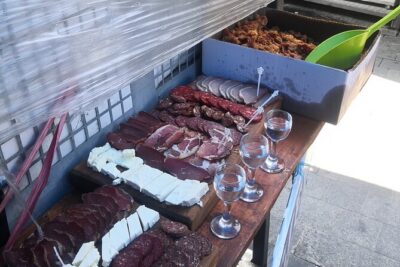
More Serbian plates, ordered properly
Serbian cooking at home in Ripanj: what the experience really feels like
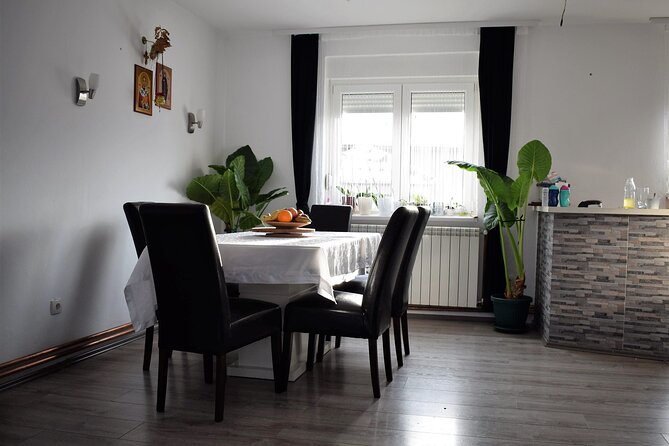
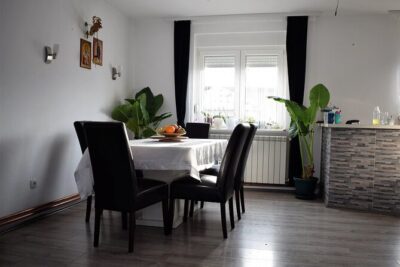
A Serbian cooking class should not feel like a demo. This one is built to be hands-on, seated around a home kitchen, with Dragana showing you how things work in a real household. That small shift matters. You learn timing, techniques, and the little decisions people make when they’re cooking for family, not for a show.
I like that the structure is simple and satisfying. You come in, you cook two dishes from scratch, and then you eat together. You’re not left guessing what you did right. Dragana teaches the main dish and the bread as part of the same experience, so everything connects: sauces, sides, textures, and the way the meal comes together at the table.
The location is also part of the story. It’s in Ripanj, a suburb of Belgrade, not in a tourist district. That means the day leans local, and it also means you should plan your arrival on your own since there’s no hotel pickup or drop-off.
The itinerary, step by step, and what to watch for
This is roughly a 3-hour experience. The cooking part is about 2 hours, with time after for setting the table and sharing the meal you made. You’ll start at Avalska, Ripanj, Serbia, and the activity ends back at the meeting point.
Optional: market tour and seasonal garden time
If you choose the market option, you’ll do two things before cooking:
1) You’ll visit Dragana’s garden to see vegetables she grows, but this is only during the summer months.
2) You’ll walk to the Banjica green market, an open-air farmers market where you can find fresh produce plus meat, eggs, seafood, and local foods.
You’ll walk around with your host and guide, and they’ll take you to favorite vendors. The practical value here is that you learn what to look for and how people choose ingredients on the ground, not from a recipe page. Even if you do not cook every ingredient yourself later, it helps you understand why one dish tastes the way it does.
A small drawback to keep in mind: markets involve more walking and time outdoors, so if weather is bad or you’re sensitive to heat, you’ll want to dress accordingly.
- Northern Serbia: Sremski Karlovci and Novi Sad Full-Day Tour from Belgrade
★ 5.0 · 425 reviews - Day Trip from Belgrade: Gems of Eastern Serbia
★ 5.0 · 424 reviews - Belgrade Nightlife Bar Pub Club Crawl with Drinks
★ 5.0 · 277 reviews
Cooking in Dragana’s home: you make the meal, not just taste it
Once you’re back at the home, you shift into full-on cooking mode. Here’s the basic flow you can expect:
- Dragana teaches you the main dish step-by-step as you work.
- You also bake the bread that fits your meal, typically proja (traditional Serbian cornbread) or hleb (flatbread).
- While food cooks, you build out the rest of the plates and get ready to eat.
- After cooking, you help set the table and share what you made.
Because it’s in a home, keep your expectations matched to that. The kitchen is small. That’s not a negative by itself, but it does mean the experience works best with a small group so everyone can move and have space to cook. If you’re deciding on group size, lean toward fewer people per class.
The dishes you’ll cook, with the classic flavor logic
The menu can vary by season, but the choices are clear. Your main dish choice drives the meal, and the sides and starters support it.
Main dish options
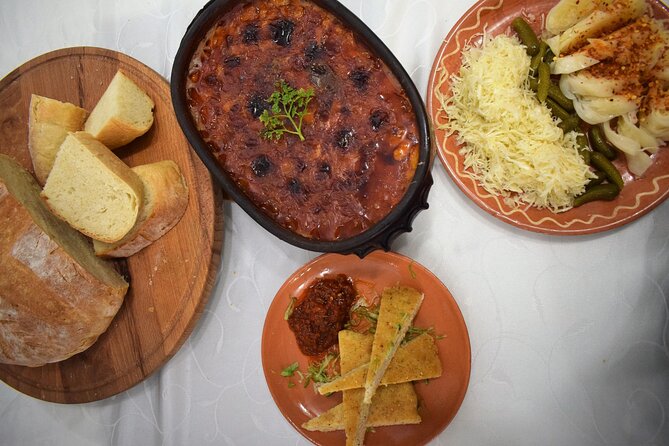
- Prebranac (baked beans)
Usually paired with an appetizer like suvi vrat (smoked meat), kajmak (clotted cream), and ajvar (eggplant and bell pepper dip).
- Sarma (Serbian stuffed cabbage)
Often paired with a trljanica salad, which keeps things fresh against the rich stuffed cabbage.
- Pilav (rice)
Typically paired with a dumpling soup appetizer.
Bread and starter
- You’ll have bread as part of the class plan, with proja (cornbread) or hleb (flatbread).
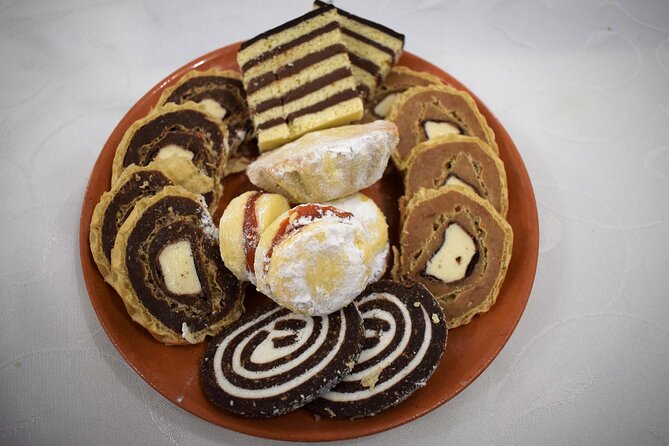
- A seasonal salad also shows up, plus a dessert of sitni kolaci, which are sweet cookies.
This matters for your value. For $104, you’re not paying just for one dish. You’re learning two core parts of the meal, the comfort casserole or cabbage or rice, plus the bread that Serbian tables treat as essential. That pairing is what makes the meal feel complete.
What you eat at the end
You’ll share the home-cooked meal with everyone in the group. You’ll help set the table, which sounds small, but it’s a good way to make the whole thing feel like dinner with hosts instead of a class where people leave as soon as they finish.
And because menu and appetizers can shift a bit with the season, you’re getting a meal that feels current rather than rigidly scripted.
Why this is great value for the price
$104 per person is not bargain-basement. What makes it feel worth it is what you actually get:
- A private, in-home class in Ripanj, not a large commercial kitchen
- A hands-on cooking session that lasts about 2 hours
- Learning a main dish you can recreate, plus learning bread
- A full meal you help prepare, not just a small tasting
- Optional guided shopping at a real open-air market
Food classes often charge for time and ingredients. Here, it’s packaged so you leave with more than satisfaction. You should leave with practical habits. You learn how Serbian dishes are assembled, what goes with what, and how side items like ajvar or kajmak fit into the flavor story.
Also, meals plus taxes and fees are included. Gratuities are listed as included too, which makes the price easier to plan around. (Still, if you have local customs you follow, you’ll know what to do.)
The only major price-adjacent downside is the lack of hotel pickup. If you’re far from the meeting point, your transport cost and time could add up. The good news is that it’s near public transportation, so you’re not forced into a long taxi ride.
The cooking skills you’ll actually take home
I love when cooking classes teach you transferable skills. This one does, because Serbian comfort food is built around technique, not mystery.
Here are the big skills you’ll likely walk away with:
- How to handle the main dish ingredients as they cook down or assemble into layers, especially for dishes like prebranac and sarma
- How the bread component changes the meal dynamic. Bread is not an afterthought here
- How to balance rich, savory flavors with something lighter like salad or a fresh dip
You’ll probably also learn the rhythm of Serbian home cooking. Things don’t always happen in a perfectly linear sequence. Some parts cook while you move to others. That teaches you real timing so you can recreate it later without panicking.
And one extra practical note from the vibe of the class: keep it small. The kitchen is limited, so you’ll cook more comfortably and learn more when you’re not fighting for space.
Vegetarian, vegan, and allergy planning without stress
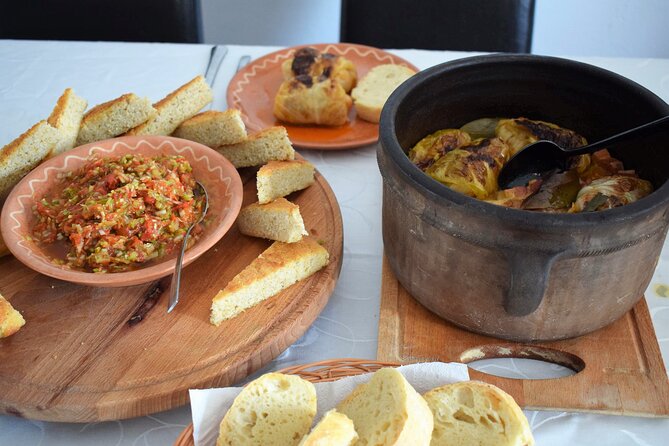
The host can offer vegetarian and vegan meals on request. If you have allergies or dietary restrictions, you should advise at booking. That’s important here because the cooking happens in a home kitchen, where ingredient control really matters.
If you’re vegetarian or vegan, this class can still work well for you, but you’ll want to confirm what adaptations are possible. Don’t assume every dish can be switched cleanly. Instead, message your needs early, and plan to be flexible with exact menu items since the menu may vary by season.
Where the market adds meaning, not just photos
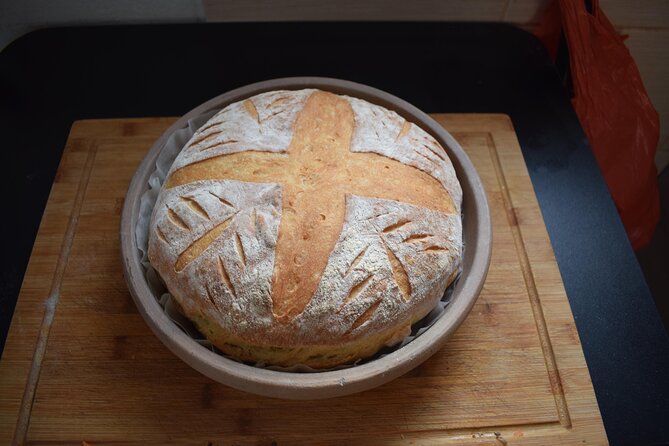
The Banjica green market part is not just an optional walk. It’s a chance to connect your cooking to sourcing.
You’ll be guided to favorite vendors, and you’ll get help picking produce. That’s useful even if you never plan to recreate the market shopping. It trains your eye. You start to understand what looks fresh, what’s in season, and what ingredients locals prioritize for flavor.
If you’re a foodie who likes the backstory, this is the piece that gives context. Cooking happens faster when you already understand what’s going into the pot.
And the garden stop can be a nice bonus during summer months, since it’s a direct link to what’s coming into the kitchen. If you visit outside summer, you should expect the garden piece may not run the same way.
Logistics that make or break your day
Before you book, plan around two practical realities.
First, meeting point and no pickup. The class starts at Avalska, Ripanj, Serbia, and it ends back there. You should arrange your own transportation. The good news is it’s near public transportation.
Second, group size in a small home kitchen. Even though the experience is private for your group, the kitchen space can still set the comfort level. If you’re booking with friends, aim for a number that keeps you from feeling crowded while you cook. The best version of this class is one where you can actually work at the counter and not hover.
Who should book this cooking class in Belgrade?
This is a strong match if you want:
- A home-cooked Serbian meal with real instruction, not a scripted tasting
- Hands-on experience with classic dishes like prebranac or sarma
- Bread education, specifically proja or hleb
- A local-side market option with Banjica green market
It’s also a good fit if you like cultural travel where food is the entry point. You’ll learn in the most practical way possible, by doing.
If you hate kitchens that feel compact or you need lots of personal space to cook, you might want to keep group size small and go in with realistic expectations about the home setting.
If you’re purely sightseeing-driven and want a fast, low-effort activity, this may feel a bit more involved since you’re cooking and sharing a meal, not just watching.
Should you book Traditional Serbian Cooking in Belgrade with Locals?
I’d book it if you’re excited by the idea of cooking Serbian comfort food in a real home in Ripanj. The value comes from the combo: a private class, two dishes from scratch, bread baking, and a shared meal you helped build. If you also care about sourcing, the optional Banjica market adds meaningful context.
Skip it if you want a large, polished, studio-style experience, or if you strongly prefer not to navigate to the meeting point on your own. For everyone else, this is the kind of class where you leave with recipes you can actually reproduce and a feel for how Serbian meals come together at the table.
FAQ
Where does the class take place?
It takes place in Dragana’s home in Ripanj, a suburb in Belgrade. The start and end meeting point is Avalska, Ripanj, Serbia.
How long is the experience?
It lasts about 3 hours total, with the cooking class itself at around 2 hours, followed by setting the table and eating.
What dishes will I learn to make?
You’ll learn a main dish from the options prebranac (baked beans), sarma (Serbian stuffed cabbage), or pilav, plus you’ll bake Serbian bread such as proja or hleb. The starter and dessert options include seasonal salad, an appetizer paired with your main choice, and sitni kolaci sweet cookies.
Is the market tour included?
The market tour is optional. If you choose it, you visit Dragana’s garden in summer months and then do a guided walk through Banjica green market before returning for the cooking class.
Is hotel pickup included?
No. Hotel pickup and drop-off are not included.
Does the price include the meal and fees?
Yes. It includes the private cooking class, the home-cooked meal, all fees and taxes, and gratuities.
Everything We Have Reviewed in Serbia
Serbia, Plate by Plate
Just Reviewed in Serbia
- Private Half Day Serbia Tour Novi Sad and Petrovaradin Fortress★ 5.0 · 3 reviews
- Private Wine Tasting by Party in Belgrade★ 5.0 · 3 reviews
- Belgrade: The White Emigration in Serbia in the Wake of the Russian Revolution★ 5.0 · 3 reviews
- Zica and Studenica monastery From Belgrade★ 5.0 · 3 reviews
- Feel Belgrade Welcome tour★ 4.5 · 3 reviews
Serbian Food & Culinary Tours, side by side.
 ★ 5.0Food and culture tour in BelgradeFrom $140139 reviews
 ★ 5.0Culinary Tour – get to know the Serbian food. Come hungry!From $71130 reviews
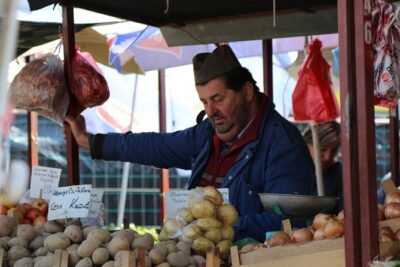 ★ 5.0Food Tasting at Locals Favorite Farmers Market in BelgradeFrom $6316 reviews
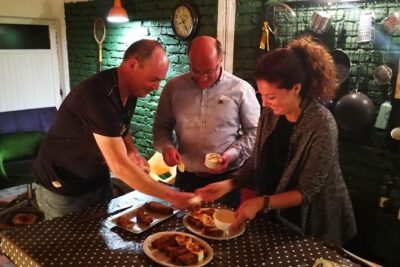 ★ 5.0Eat Like Tito – Gastro Historical ExperienceFrom $1274 reviews
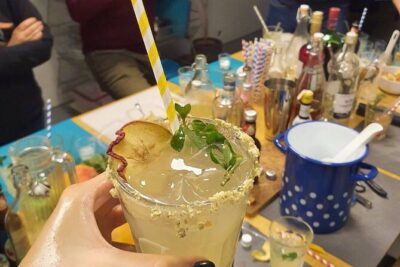 ★ 5.0Belgrade center walking tour with Rakija, Cocktails and BurgersFrom $764 reviews
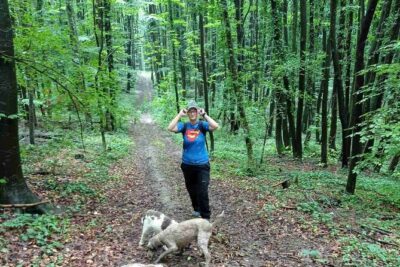 ★ 5.0Private Guided Truffle Hunting Tour in Serbia with LunchFrom $1733 reviews
 ★ 5.0E-Scooter Serbian Food TourFrom $693 reviews
Also on these Serbia lists