
REVIEW · CYCLING TOURS
Zagreb: 2.5-Hour Cycle Back to Socialism Tour
Zagreb changes fast, and you’ll feel it on a bike. This 2.5-hour ride blends everyday neighborhoods with a clear explanation of life under communism and what came after, so you see the city as more than postcards. I especially like the way the local guides, such as Roza and Ilona, turn big history into real streets and daily routines, and I also love the contrast of Sava River cycling lanes with quieter green spaces like Bundek.
The main heads-up is simple: this is not a wheelchair-friendly tour and it does involve steady cycling on city paths, so it is not ideal if mobility is limited. Also, if you want a heavy, ultra-detailed focus on 1990s conflict history, you may find the political context is more of a guided overview than a deep specialist lecture.
In This Review
- Key Points You’ll Care About
- A 2.5-Hour Bike Ride That Explains Everyday Zagreb
- Meeting Blue Bike Zagreb, Then Rolling Into the Lower Town
- Croatian National Theatre and State Archives: City Center Without the Museum Lines
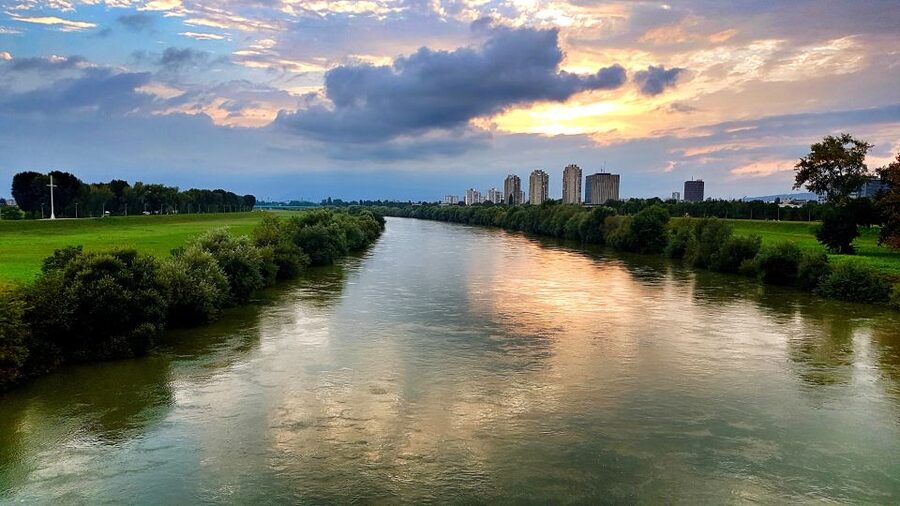
- The Sava River Crossing, Cycling Lanes, and the Communism Shift
- Zagreb Fair and New Zagreb’s Housing Reality
- Bundek Park With Lakes: A Quiet Reset in the Middle
- Contemporary Art Museum Area: Then and Now in One Ride
- Botanical Garden of the Faculty of Science and King Tomislav Square
- Park Zrinjevac and the Sweet Bridge Finish
- Price and Value: Why $57 for 3 Hours Can Actually Be Fair
- Comfort, Safety, and Who This Tour Really Suits
- Should You Book This Cycle Back to Socialism Tour?
- FAQ
- How long is the Zagreb 2.5-Hour Cycle Back to Socialism Tour?
- What is the price per person?
- Where do you meet for the tour?
- What’s included with the tour?
- What language is the tour guide?
- Is the tour suitable for children and older adults?
- Is the tour accessible for wheelchair users?
- What is the cancellation policy?
- Does it offer pay later?
Key Points You’ll Care About
- A 3-hour, bike-first way to understand New Zagreb without tiring out walking
- Sava River crossing on established cycling lanes, with a big sense of neighborhood change
- Local context on communism and post-WWII housing, explained in plain language
- Bundek Park and lakes, a calm break in the middle of the ride
- Contemporary art stops that show how the area feels today
- Guides who can make history click, often with lively conversation
A 2.5-Hour Bike Ride That Explains Everyday Zagreb
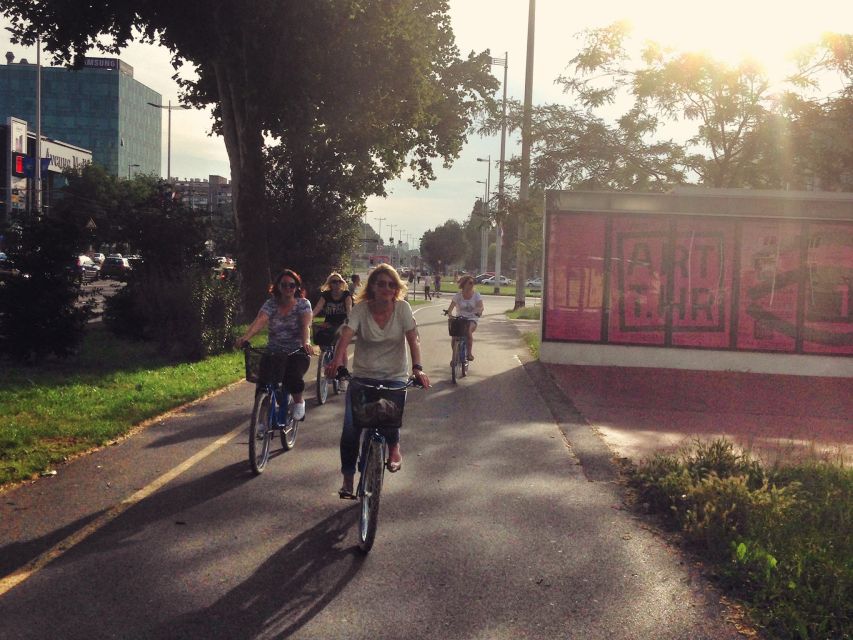
This tour is built around one idea: history shows up in how people live. You ride from older central Zagreb into New Zagreb, the post-World War II housing zone that still shapes everyday life. The fun part is that the city’s change is not theoretical. It happens while you pedal.
You’ll also get a fast, practical orientation. In about 3 hours, you learn where key neighborhoods sit, which paths feel easiest, and why this city is so livable. If you usually spend days in capitals trying to cram in museums, this is a different route to the same understanding.
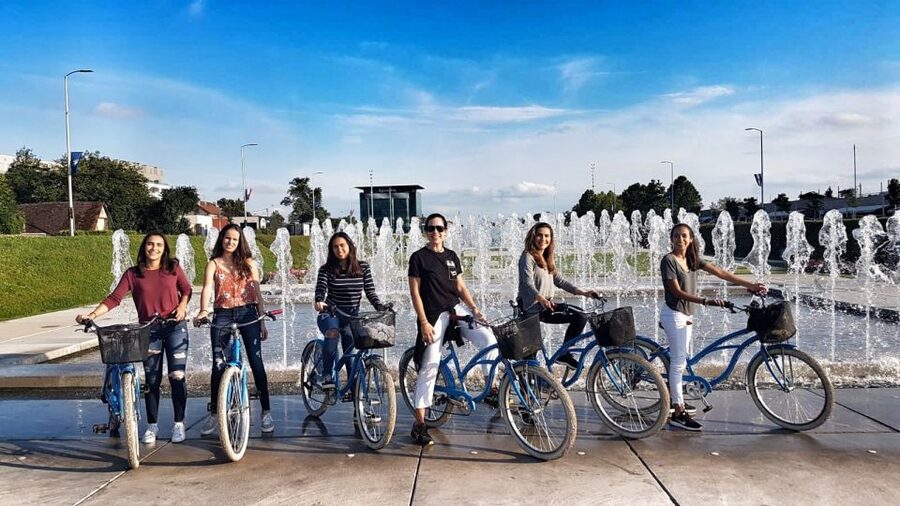
And yes, the bike format matters. Bikes let you cover distance without feeling rushed, and they keep you in motion long enough for the story to make sense. That motion is part of the experience.
Meeting Blue Bike Zagreb, Then Rolling Into the Lower Town
You start at Blue Bike Zagreb, at Trg bana Josipa Jelačića 15. The shop is in an alley off the main square, with the statue pointing you toward the entrance. It is an easy starting point once you’re there, and it helps you orient around the city center.
From the start, the pace feels designed for a mixed group. The tour is described as suitable for children and elderly adults, which usually means you are not stuck doing extreme hill climbs or long, slow shuffles. Still, you should plan on being on a bike for the full time.
Your first stretch is about setting the scene. You pass central landmarks and get your “Zagreb map in your head” before the route starts changing character.
Croatian National Theatre and State Archives: City Center Without the Museum Lines
One of your early stops is the Croatian National Theatre area. It is a classic landmark moment, the kind of place that instantly tells you, yes, Zagreb cares about culture and public life. Even if you do not go inside, the building helps you picture the older civic Zagreb you are leaving behind.
Then you move toward the Croatian State Archives. This is a quieter stop in the sense that it is more about context than spectacle. Archives are basically the city’s memory, so it fits the theme: you are going to hear how the political system and society shifted, and you are doing it with the physical reminders of where stories are preserved.
At this stage, the ride is relatively short, so you can settle in. If you are nervous on a bike in city traffic, this is where you build confidence before the route carries you farther out.
The Sava River Crossing, Cycling Lanes, and the Communism Shift
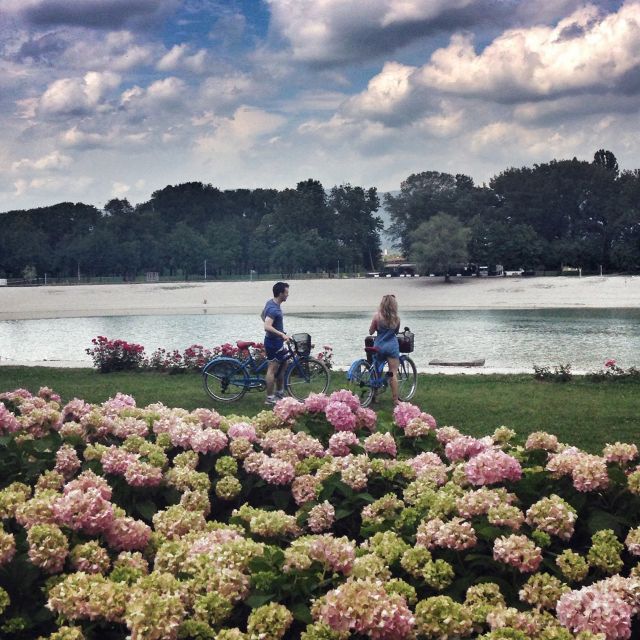
The most dramatic “wait, what just happened?” moment is crossing the Sava River. You go from lower-town Zagreb and park-edge areas into a zone with a totally different rhythm and built form. The tour frames this change in the post-World War II era, mainly through the time of communism and how it shaped housing and daily life.
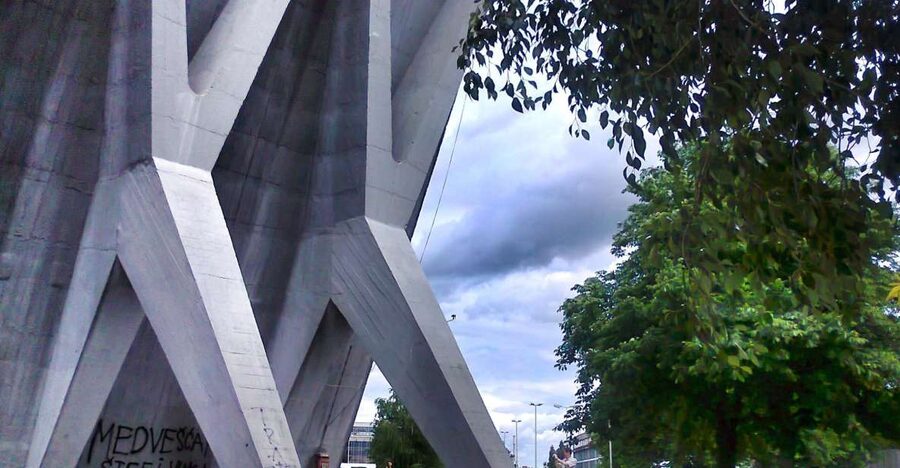
What I like here is that the story comes with movement. You are not reading bullet points about urban planning. You are seeing how streets, blocks, and neighborhood layouts feel. The guide’s job, and the tour’s job, is to help you connect that built environment to how society organized itself back then.
Once you are across, you cycle on established bike lanes that keep things safer and calmer than you might expect in a big city. You also get a “Balkan zone” feel, in the sense that the architecture and street character change quickly. That contrast is part of why this tour is worth doing instead of just taking photos.
Zagreb Fair and New Zagreb’s Housing Reality
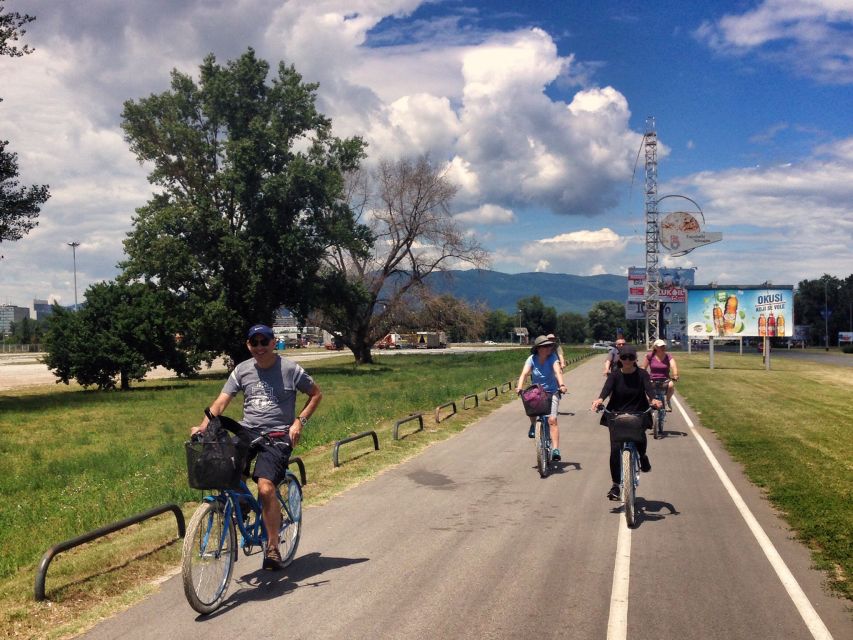
As you continue through New Zagreb, you pass the Zagreb Fair area. It is the kind of place you might ignore if you were walking, but from a bike it becomes useful context. It tells you the neighborhood is not only residential. It also connects to larger city functions.
This is where the tour’s theme really matters: you see why the housing areas built in the socialist era stayed important. They are not just relics. They are still main living areas, so the “social system” you hear about is not locked in the past.
If you like history that makes practical sense, this is the sweet spot. Communism is often taught in big terms, but here it is explained through how cities were organized, what neighborhoods were built for, and how that structure still affects life today. The guide can also help you connect it to what is here now.
Bundek Park With Lakes: A Quiet Reset in the Middle
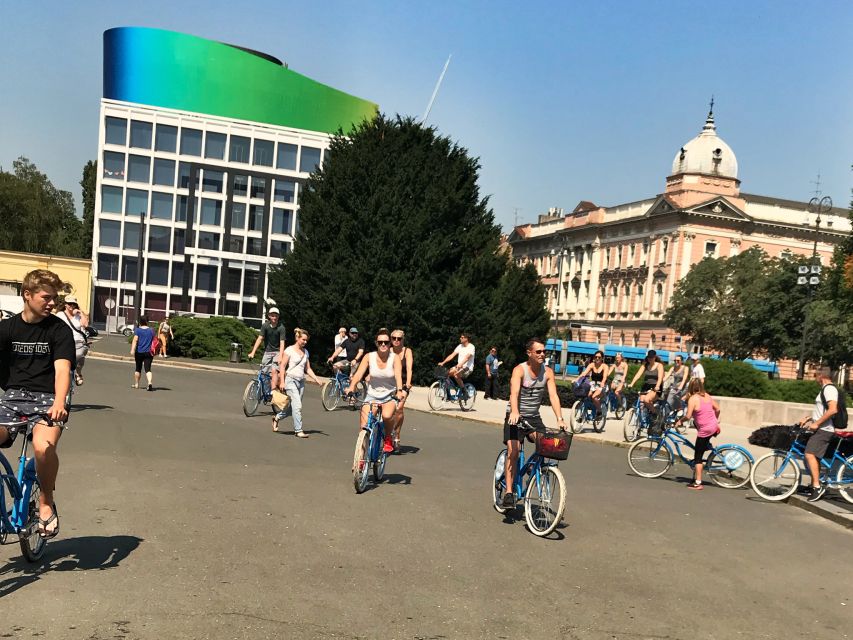
You then reach Bundek, a shady park area with lakes that feels like a breather. It is a smart placement in the tour because it gives your body a pause. After you have been paying attention to big ideas and new streets, you get a calmer environment.
From a cyclist’s perspective, parks also help you understand the city’s design. Green space changes the pace of a neighborhood and gives locals a place to gather. When you see it from the bike route, it feels less like a random stop and more like a clue.
This is also one of those moments where you can just look around. You are still on the tour, but the setting gives you time to notice how the area lives. The lake backdrop is part of the payoff before you head back across the bridge.
Contemporary Art Museum Area: Then and Now in One Ride
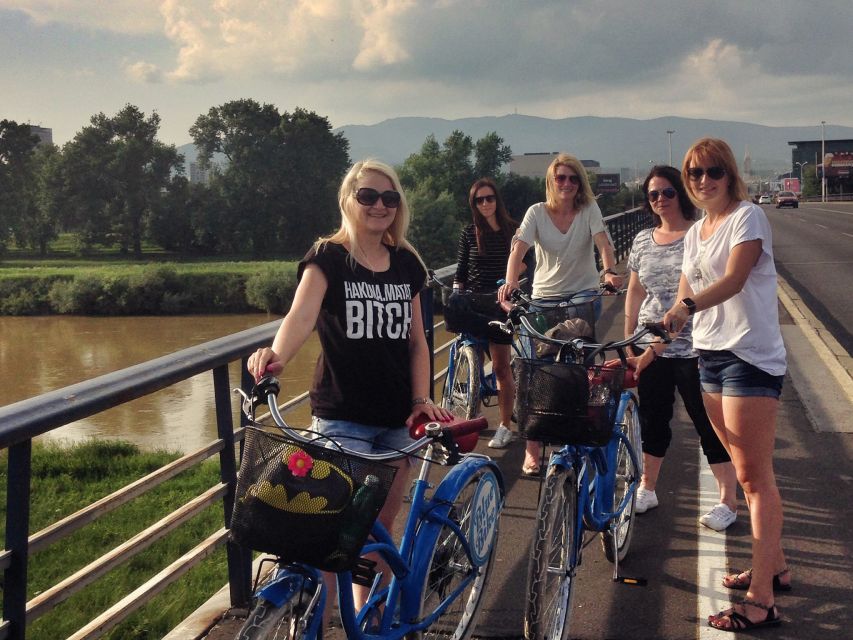
New Zagreb today is also described as a home base for contemporary Croatian art. You’ll cycle through areas tied to that scene, including a check around the Contemporary Art Museum area.
This matters because it shows continuity. You are not only hearing about the socialist era as a chapter that ended. You are watching how the city repurposed space and identity over time. Contemporary art often grows where people feel connected enough to experiment, and the tour uses that idea to help you understand why the neighborhood feels different now than it did after WWII.
If you enjoy art without needing a ticketed museum visit, this is a nice angle. You get the flavor of a cultural ecosystem while still staying focused on the big urban story.
Botanical Garden of the Faculty of Science and King Tomislav Square
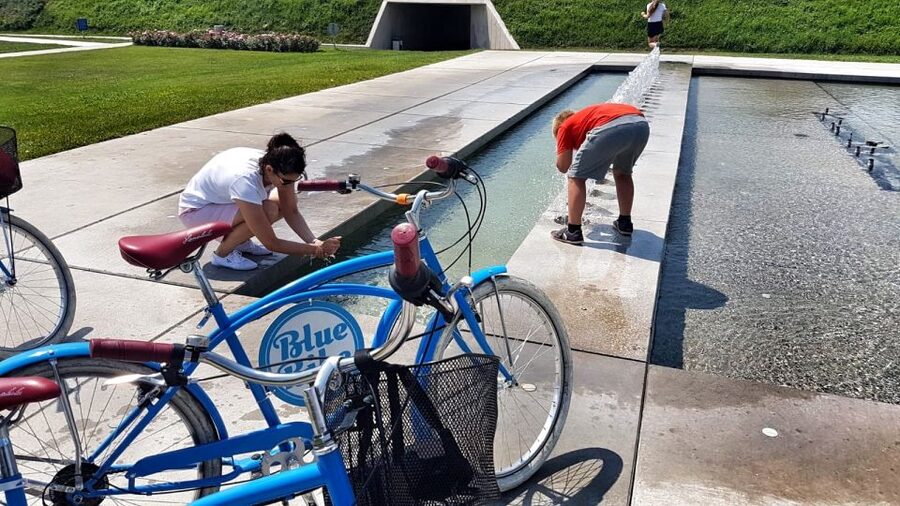
Back toward the final stretch, you pass the Botanical Garden of the Faculty of Science, University of Zagreb. A garden stop works well on a bike tour because it is visually rewarding, but it does not require a long “wandering” session. It also fits the theme of everyday life and institutions, not just politics.
Then comes King Tomislav Square. This is one of those “anchor” squares that helps you feel the city’s layout. After cycling through New Zagreb’s housing streets, the return to central squares gives you a satisfying sense of place.
You’ll often notice that once you reach an important square, the city feels more navigable. You can mentally place landmarks again, which makes the rest of the ride back feel easier.
Park Zrinjevac and the Sweet Bridge Finish
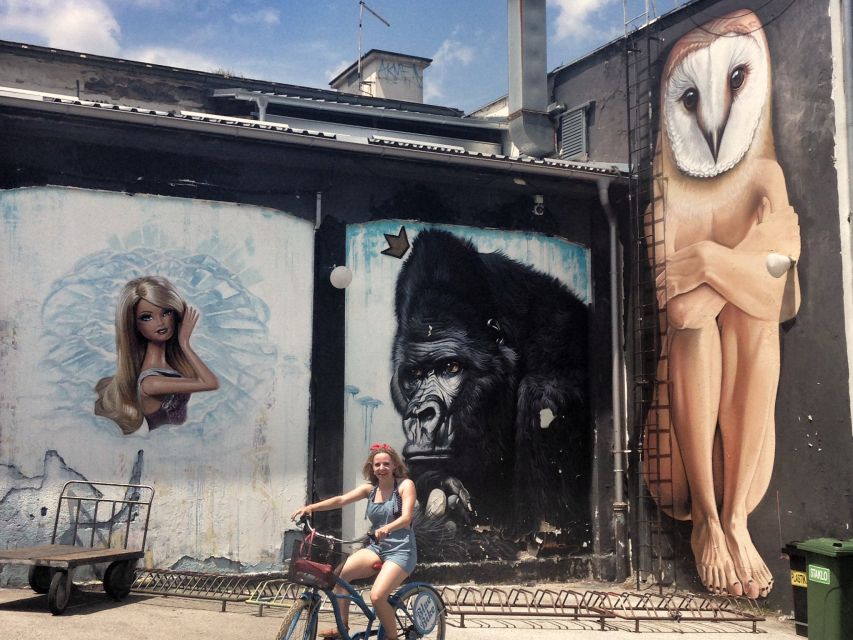
Near the end, you roll through Park Zrinjevac. It is a classic stop for many Zagreb walks, and here it becomes a gentle ending. You have already covered the big story arc, so the park feels like a “take a breath” wrap-up.
Then you finish the loop with a return over the bridge. The tour experience is designed so you get one of the loveliest views of Zagreb, with the mountains in the background. It’s a visual reminder that this city sits with a backdrop that shapes how people experience it every day.
For me, this kind of finish is what turns a bike ride into a memory. You feel the change across neighborhoods, then you end with the city’s bigger picture.
Price and Value: Why $57 for 3 Hours Can Actually Be Fair
At $57 per person for about 150 minutes (roughly 3 hours), the big value comes from what is included and what you gain.
You are getting:
- A bicycle
- An optional helmet
- A local English-speaking guide
- A structured ride that connects neighborhoods to a clear theme
A bike alone would not explain why these areas look and function the way they do. A guide who can place communism, post-WWII housing, and today’s identity into a single ride is what you are paying for. And since the route covers a lot of ground without long museum breaks, it can be a smart use of limited time.
Is it cheap? Not exactly. But it is also not a “pay for transportation only” type of tour. The guide’s storytelling is the product.
Also, private group availability is mentioned. If you are traveling with family or friends who want a slower pace or more questions, that can be worth considering.
Comfort, Safety, and Who This Tour Really Suits
This tour is designed for a broad age range, since it is described as suitable for children and elderly adults. That is a good sign if you want something that feels active but not extreme.
On the other hand, it is not suitable for wheelchair users or people with mobility impairments. If you need step-free access or cannot cycle, you will likely be better off with a walking or vehicle-based alternative.
If you are comfortable on a bike, a few practical tips can help:
- Dress for changing weather since parks and river areas can feel cooler
- Bring water, especially in warm months
- Wear closed-toe shoes that grip well
- Listen to your guide about lane habits and road etiquette on the route
If you like cities where history is still visible in housing blocks and parks, this tour clicks. If you are only after big museum interiors, you might feel the stops are more about outside context.
Should You Book This Cycle Back to Socialism Tour?
I think you should book if you want Zagreb in motion, not Zagreb in a series of disconnected stops. This is a strong fit for first-time visitors who learn fast when they ride and ask questions. It is also ideal if you enjoy the idea that politics is not just dates, it is how neighborhoods get built and lived in.
I would pause before booking if:
- You cannot cycle reliably for about 3 hours
- You need a very deep, fact-by-fact breakdown of the 1990s conflict period, since the tour context may stay at a guided overview level
- You expect every stop to be equally focused on socialist theory, because parts of the ride are also about parks, squares, and today’s character
If you book, go in curious, and be ready to interact with your guide. Guides like Roza and Ilona have a way of making the story feel personal, and that is when this tour becomes more than a ride. It becomes a way to understand why Zagreb feels the way it does.
FAQ
How long is the Zagreb 2.5-Hour Cycle Back to Socialism Tour?
The tour lasts 150 minutes, about 3 hours.
What is the price per person?
The price is $57 per person.
Where do you meet for the tour?
You meet at Blue Bike Zagreb, Trg bana Josipa Jelačića 15, at the main square, with the office located in an alley where the statue on the square is pointing to.
What’s included with the tour?
The tour includes a bicycle, an optional helmet, and a local English-speaking guide.
What language is the tour guide?
The tour is offered in English.
Is the tour suitable for children and older adults?
Yes, the tour is stated to be suitable for children and elderly adults.
Is the tour accessible for wheelchair users?
No, the tour is not suitable for people with mobility impairments or wheelchair users.
What is the cancellation policy?
You can cancel up to 24 hours in advance for a full refund.
Does it offer pay later?
Yes, it offers reserve now & pay later, so you can book your spot and pay nothing today.
Cycling Tours, side by side.
 ★ 4.5Belgrade E-Bike Tour: Power Glide!From $35112 reviews
 ★ 5.0Cycling the parks, ride through the agesFrom $4521 reviews
 ★ 5.0Fruška Gora Bike TourFrom $10616 reviews
 ★ 5.0Belgrade Bike Tour: Be a local in the hood of Belgrade!From $655 reviews
 ★ 4.0Avala & Kosmaj Bike TourFrom $1034 reviews
Also on these Serbia lists